
Best Exercise for Weight Loss: A Practical Guide
The best exercise for weight loss is not one move that works the same way for every adult. Walking, strength work, and conditioning can all support weight management when you can repeat them. And the CDC says adults need both aerobic activity and muscle-strengthening work each week. The useful choice is the one that fits your joints, schedule, and starting point.
Request a free class at Monroe Twp Boot Camp
This guide compares those three options for adults in and around Monroe Township who want a practical place to start. It does not promise a number of pounds, a timeline, or a result from any single workout. Individual results vary, and food, sleep, and consistency matter as much as the exercise you pick.
Why There Is No Single Best Exercise for Weight Loss
Search results often crown one winner: running, lifting, or a high-calorie circuit. That framing is easy to click and hard to live with. Two people can do the same workout and get different results because starting weight, muscle, sleep, stress, and food habits are not the same.
A better question is which mix you can keep doing. The CDC adult activity overview says adults need at least 150 minutes of moderate-intensity aerobic activity a week, or 75 minutes of vigorous activity, plus muscle-strengthening work on 2 or more days. Those minutes can be split into smaller chunks. Some activity is better than none.
That is a health target, not a weight-loss guarantee. It does tell you the mix: movement that raises your heart rate, plus work for the major muscle groups. Walking can cover the aerobic side. Strength work covers the muscle side. Conditioning can do some of both when it is scaled to you.
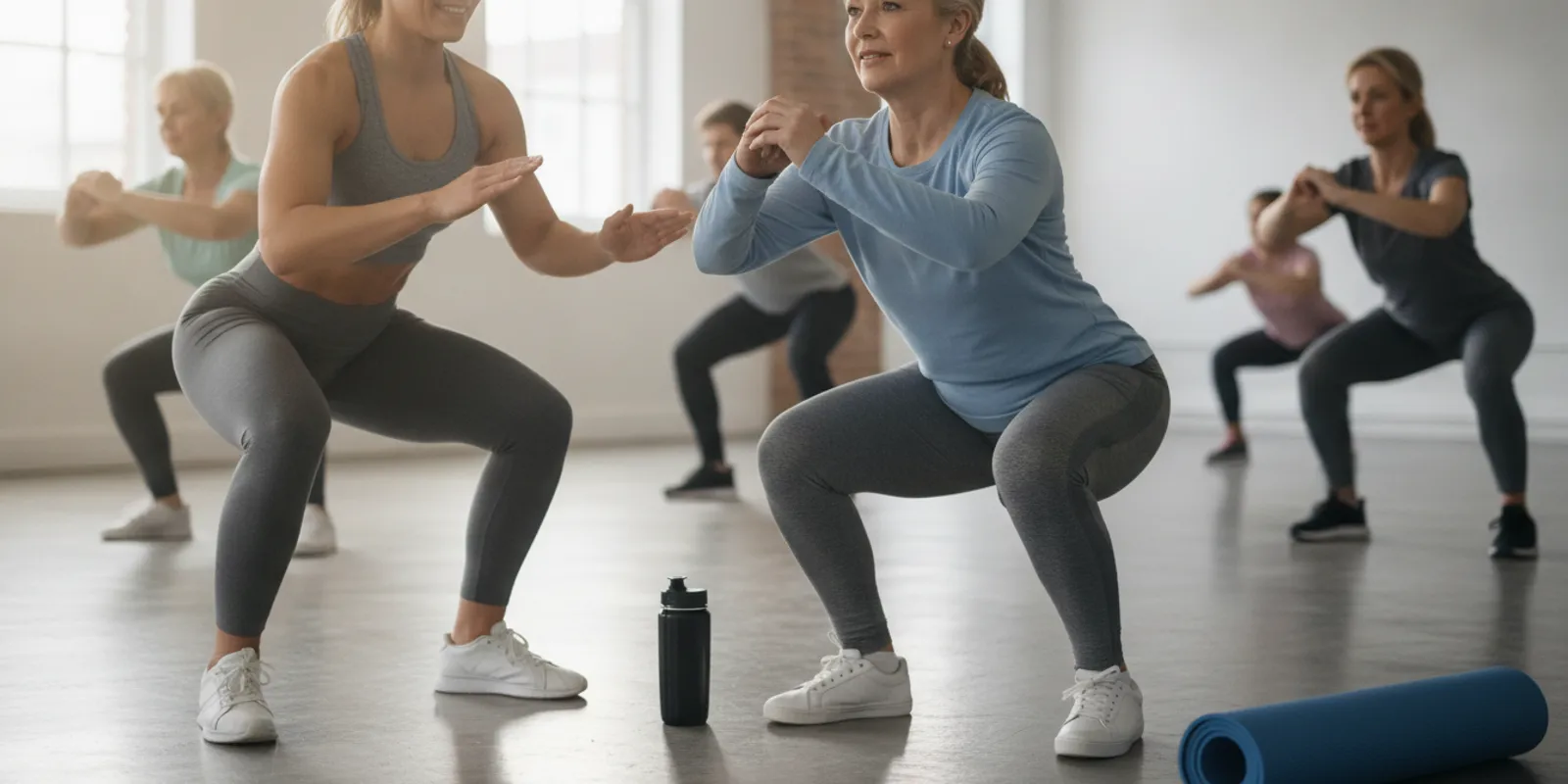
Monroe Twp Boot Camp is one coach-led gym at 475 Spotswood-Englishtown Road in Monroe, NJ. Group boot camp sessions are described as about 45 minutes or less and can be scaled for beginners. That format is one way to practice the mix. It is not the only way, and it is not a promise that a class will change your weight.
How to Compare Walking, Strength, and Conditioning
Use the table as a starting map, not a ranking. “Best” here means easiest to repeat for a beginner who wants to manage weight. It does not mean the workout that burns the most in one session.
| Option | What it mainly trains | A realistic starting dose | Best fit | Watch-outs |
|---|---|---|---|---|
| Brisk walking. | Moderate aerobic work for the heart and lungs. | Short walks on most days, building toward the weekly aerobic target. | Beginners, busy schedules, and a joint-friendlier start. | A slow stroll may stay too easy. Hills or a faster pace raise the effort. |
| Strength work. | Major muscle groups: legs, hips, back, abdomen, chest, shoulders, and arms. | Two days a week, with a rest day between hard sessions. | Adults who want daily tasks to feel stronger, not cardio alone. | Load and form matter. This is not a how-to for sets and equipment. |
| Conditioning. | Heart-rate work and muscular effort in one session. | One or two coached sessions a week, scaled down at the start. | People who like a group and want variety in a short block of time. | Hard intervals are a poor first step after a long break. |
You do not have to pick only one row. A week can include walks, two strength days, and one easier conditioning day. If a format leaves you too sore to come back, it was too much for this week, even if an article called it the top calorie burner.
When Walking Is the Right Place to Start
The CDC lists fast walking as a moderate-intensity example. A simple check is the talk test: you can talk, but you cannot sing. If you can chat in full paragraphs with no change in breathing, speed up a little or add a hill. If you cannot get a short sentence out, slow down.
Walking earns a place in this comparison because it is easy to repeat. You can split it around work, school pickup, or a lunch break. You do not need a class, a membership, or a perfect week. The CDC also notes that what feels moderate for one person can feel vigorous for another. So match the pace to your current fitness, not to someone else’s route.
Walking alone does not cover the muscle-strengthening side of the weekly target. Keep it as your aerobic base, then add strength on other days. If your knees or back prefer a bike on flat ground or water aerobics, those are also moderate examples from the same CDC list. The point is repeatable aerobic work, not a rule that every walk must happen outdoors.
Do not treat a daily walk as a promise that the scale will move. Food, sleep, and the rest of the week still count. A walk you finish is more useful than a workout plan you skip.
Where Strength Work Fits a Weight Goal
Muscle-strengthening activity belongs in the week even when the goal is weight management. The CDC says adults should work the major muscle groups on 2 or more days. That includes legs, hips, back, abdomen, chest, shoulders, and arms. Strength work is not a replacement for walking or other aerobic activity. It is the other half of the mix.
A common claim is that lifting is the single best fat-loss tool because it “raises metabolism.” Treat that as marketing, not a result you can count on. Building strength can support daily activity and help you keep training while you manage weight. It does not guarantee fat loss, and it does not spot-reduce belly fat. If you want the practical how-to, read the separate guide to beginner strength training. This article will not cover sets, reps, or equipment choices.
At Monroe Twp Boot Camp, private training is customized strength and conditioning you can use on its own or alongside group classes. Group boot camp also includes strength work that can be scaled for beginners. Neither option publishes a price or a session calendar here, so ask before you assume what is included.
Two non-consecutive strength days are enough to start. Leave a rest day between them. Soreness that fades is normal. Pain in a joint is a reason to change the movement, not a badge of a better workout.
How Conditioning Can Help Without Becoming the Whole Plan
Conditioning sits in the middle. Circuits, intervals, kickboxing, and coached boot camp sessions raise your heart rate and use your muscles in the same visit. It can be efficient when your time is short. It is also the easiest option to overdo in week one.
A 2012 study in the Journal of Strength and Conditioning Research is often cited to claim that treadmill running burns more calories than kettlebell work in a matched session. That is a lab comparison of two formats, not proof that running is the best exercise for every adult, and it does not predict your scale weight. Calorie estimates from charts are averages. They are not your result.
Use conditioning as one or two sessions, not seven. Keep most of the week at a pace you can talk through. If you like striking work, the gym’s kickboxing format uses a warm-up, interval combinations, calisthenics, and abdominal work, with 14- or 16-ounce gloves. That is a conditioning option, not a promise of a calorie range or belly-fat loss. Glove supply and class times are not published, so confirm them before you show up expecting a spot.
Group boot camp is the other local conditioning format: a coach-led session of about 45 minutes or less, with movements scaled for beginners. A first visit usually means arriving a few minutes early, wearing comfortable clothes, and bringing water, a mat, and a towel. Sneakers stay off the main exercise mats. Those details come from the gym FAQ, not from a live class calendar.
What to Do in a Week You Can Actually Repeat
Build backward from the week you already have, not from an ideal athlete’s schedule. Here is one simple pattern for a beginner who can walk and wants to add strength and a little conditioning:
- Walk at a talk-test pace on three or four days. Start with 10 to 20 minutes if 30 feels like too much.
- Do strength work on two non-consecutive days. Stop a set before your form breaks down.
- Add one easier conditioning session, such as a scaled group class, only if the rest of the week still feels manageable.
- Keep at least one full rest day. Rest is part of the plan, not a missed workout.
- If a week falls apart, repeat the last week you finished instead of jumping to a harder one.
This is a pattern, not a prescription and not medical advice. If you have a heart condition, joint injury, or another health concern, talk with your clinician before you raise intensity. A coach can scale a movement. A coach does not diagnose or treat a condition.
Food still does a large share of the work. The gym offers nutrition coaching as a consultation, a plan, and ongoing support. That is coaching, not licensed dietitian care, and it is not automatically included in a class. The VIP 63 Day Transformation uses five habits: movement, nutritious food, strength, water. And rest. “At least 10 pounds” is a prospect goal on that program, not an outcome this article promises.
Track something besides a single scale number. Clothes, energy, and how often you showed up are fair markers. An InBody assessment can add a muscle, fat, and water snapshot when you request one by email. It is not a medical test, it is not described as free, and it is not included just because you attend a class.
What Else Changes the Result Besides the Workout
Exercise is only one lever. The same weekly mix can look different on the scale when meals, sleep, and stress change. That is why a “best exercise” headline is incomplete. The session matters, and so does the rest of the day.
Sleep is the quiet piece. A short night makes hard intervals feel worse and makes it easier to skip the walk you planned. You do not need a perfect bedtime to benefit from movement. You do need enough recovery that the next session is possible. If two late nights stack up, keep the walk and drop the intense class.
Hydration is similar. Bring water, sip through the session, and drink afterward. There is no published ounce target here that fits every adult, so skip the exact-number rules. Thirst, headache, and a workout that feels oddly hard can be a cue to drink more, not a cue to push harder.
Food does not have to be a strict meal plan before you start. A practical version is a regular meal pattern you can shop for and repeat. The gym’s nutrition coaching can help with that through a consultation, a plan, and follow-up support. It is still coaching, not medical nutrition therapy, and it does not treat diabetes, cholesterol, or any other condition.
Weigh yourself the same way if you weigh yourself at all: same time of day, similar clothes, and not after every single workout. Day-to-day jumps are often water. A weekly trend tells you more. Strength going up while weight stays flat for a couple of weeks is not failure. It can mean you are keeping muscle while the routine settles in.
Community helps some people more than the exercise choice does. A coach who knows your name, and a small group that expects you, can make a 45-minute session easier to keep than a perfect solo plan. That is a reason to try a coached class. It is not proof that a class will outperform walking for you.
How to Choose Without Chasing a Winner
Pick with three questions. Can you do it again next week? Does it cover both walking-style aerobic work and some strength? Can you scale it on a tired day instead of skipping?
If you are starting from very little activity, walking wins the first month because it is the easiest to repeat. Add strength twice a week once the walks feel ordinary. Bring in conditioning after those two pieces are in place.
If you already walk and feel bored or stuck, the missing piece is often strength, not a harder run. If you already lift and do almost no aerobic work, add brisk walks before you add a second high-intensity class. More intensity is not automatically more progress.
Monroe Twp Boot Camp can be the coached version of that mix: group boot camp, private training, or the 63-day habit program. Training options at the gym describe those formats. None of them is a reserved class time until someone confirms it with you. The free-class form has no date or time field, so it is a request, not a booking. A friend or spouse needs their own request.
Read the FAQ before your first visit
Frequently Asked Questions
Which workout burns the most fat?
No workout can promise the most fat loss for every person. Hard conditioning and vigorous cardio use more energy in a single session. But the workout you repeat, plus your food and sleep, matters more than a one-day burn chart. A mix of aerobic activity and strength work matches the CDC weekly target better than chasing one hottest session.
What are the best exercises for beginners?
Start with brisk walking most days and two days of simple strength for the major muscle groups. Add a scaled conditioning session only after those feel repeatable. The best beginner choice is the one you can finish with your form intact and show up for again next week.
How can walking help with weight management?
Fast walking counts as moderate aerobic activity. Spread short walks through the week and use the talk test to keep the effort real but sustainable. Walking supports the aerobic side of the weekly target. It does not replace strength work, and it does not guarantee a change on the scale.
Can someone lose 10 pounds in 3 weeks?
Do not plan on that. A 10-pound drop in 3 weeks is not a safe or reliable target to promise, and early scale changes can be water rather than fat. The gym’s own materials treat “at least 10 pounds” as a prospect goal, not a result. Give the process weeks, and judge progress by consistency as well as weight.
If you want a coached place to practice this mix, request a first free class and let the team confirm a time. You can also look through how the coaching approach works or call (732) 702-1224 with a question. Nothing on this page is a confirmed reservation, a price, or a guaranteed result.