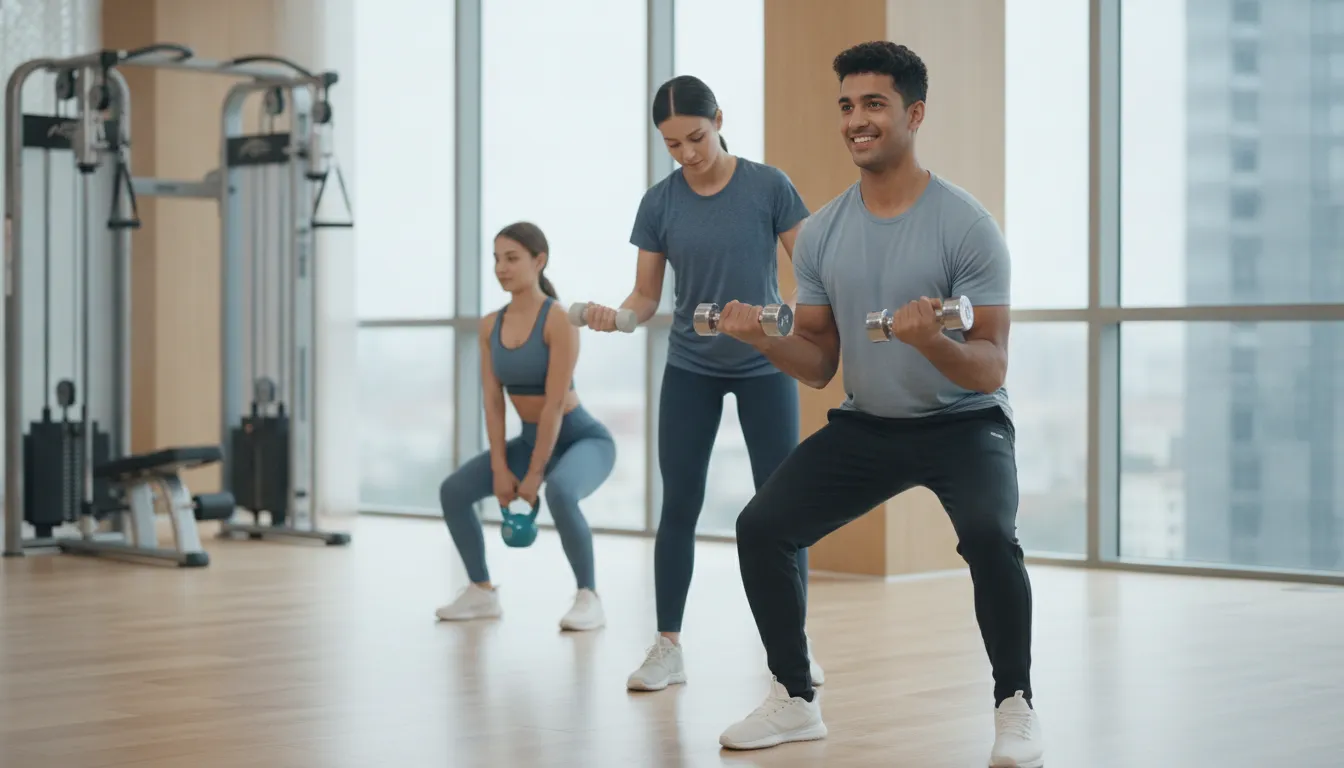

Strength Training for Beginners: Benefits & How to Start
The scale can’t tell you everything about your fitness progress. You may be getting stronger, completing more repetitions, or finding everyday tasks easier even if your weight changes slowly. Strength training gives you practical ways to build muscle strength and track those improvements over time. If you’re new to exercise, begin with simple movements and a comfortable level of effort. Focus on form, allow time for recovery, and record your exercises so you can see how your routine develops. InBody assessments can add body-composition information to your progress checks. Monroe Township Bootcamp combines these assessments with bootcamp-style workouts and coaching for members working toward weight loss and strength.
Key Takeaways
- Begin with exercises you can control: Practice basic movements with body weight, bands, or light weights, then add resistance gradually.
- Choose a routine that fits your week: Start with two full-body sessions, leave time for recovery, and support training with balanced meals and water.
- Measure progress beyond the scale: Track your strength, workout consistency, and energy, and use Monroe Township Bootcamp’s InBody assessments and coaching to review body-composition changes.
What Is Strength Training?
Strength training is exercise that makes your muscles work against resistance. That resistance can come from your body weight, dumbbells, machines, resistance bands, or movements in a bootcamp workout. You can begin with basic exercises and adjust them as your strength and confidence grow.
How resistance challenges muscles and builds strength
When you lift, push, pull, or hold against resistance, your muscles work to move or control that load. Over time, they adapt, which can help you build strength and muscular endurance. For example, a squat works your legs and glutes as you lower and raise your body. As the movement becomes more comfortable, you might add repetitions or use a weight.
You don’t need to start with heavy equipment. Choose a version of each exercise you can perform with control, and increase the challenge gradually. Practicing good form helps you train safely and get more from each movement. Read the Cleveland Clinic’s guide to strength training for more on how resistance exercise works. Monroe Township Bootcamp also offers workouts and coaching to help members find a suitable starting point.
How strength training differs from cardio
Strength training and cardio support fitness in different ways. Strength exercises challenge your muscles against resistance, often in short sets followed by rest. Cardio activities, such as walking, cycling, or jogging, usually involve continuous movement that challenges your heart and lungs over time.
Many people include both in their routines. Cardio helps develop cardiovascular endurance, while strength training helps build muscle strength and control. Bootcamp workouts may combine resistance exercises with intervals that raise your heart rate, bringing both types of activity into one session. Your ideal mix depends on your goals, fitness level, and recovery. Start at a manageable pace, and choose activities you can practice consistently.
What Are the Benefits of Strength Training?
Strength training can help you feel stronger in daily life, support your overall health, and contribute to weight-management goals. You can start with manageable exercises and build your routine as your strength and confidence grow.
Build strength for everyday activities
Strength training prepares your muscles for everyday tasks, like carrying groceries, climbing stairs, lifting a laundry basket, or standing up from a chair. As these movements become easier, you may feel more capable and steady throughout the day.
Start with simple exercises such as squats, wall push-ups, and hip hinges. Choose a level of effort that challenges you while allowing you to maintain good form. When the movements feel more comfortable, you can gradually add repetitions or resistance. A New Mexico State University guide shares practical tips for getting started and explains how strength training can support daily activities.
Support bone health, metabolism, and well-being
Strength training supports more than muscle. Regular resistance exercise can help maintain muscle mass and support bone health, while movement can also contribute to your overall well-being. Building or preserving muscle may help your body use energy throughout the day, though results vary from person to person. Sleep, nutrition, and recovery matter, too.
The Cleveland Clinic’s guide to strength training explains how resistance exercise can benefit muscles and bones. If you’re new to exercise or returning after a break, begin with movements that feel comfortable and ask a qualified coach for help with form. Monroe Township Bootcamp offers InBody assessments to help members track body-composition changes alongside their fitness progress.
Support weight-loss goals without targeting belly fat
Strength training can be part of a weight-loss plan by helping you build or maintain muscle as you work toward gradual fat loss. However, abdominal exercises alone won’t selectively remove belly fat. Your body loses fat across different areas, and the pattern can vary based on factors such as genetics and body composition.
Pair strength workouts with regular movement and eating habits you can maintain. The Cleveland Clinic explains how building muscle may support weight management and daily energy use. To see changes beyond the scale, track your workout consistency, strength, energy, and body composition. A coach can help you choose exercises and a pace that fit your starting point and goals.
What Types of Strength Training Can You Try?
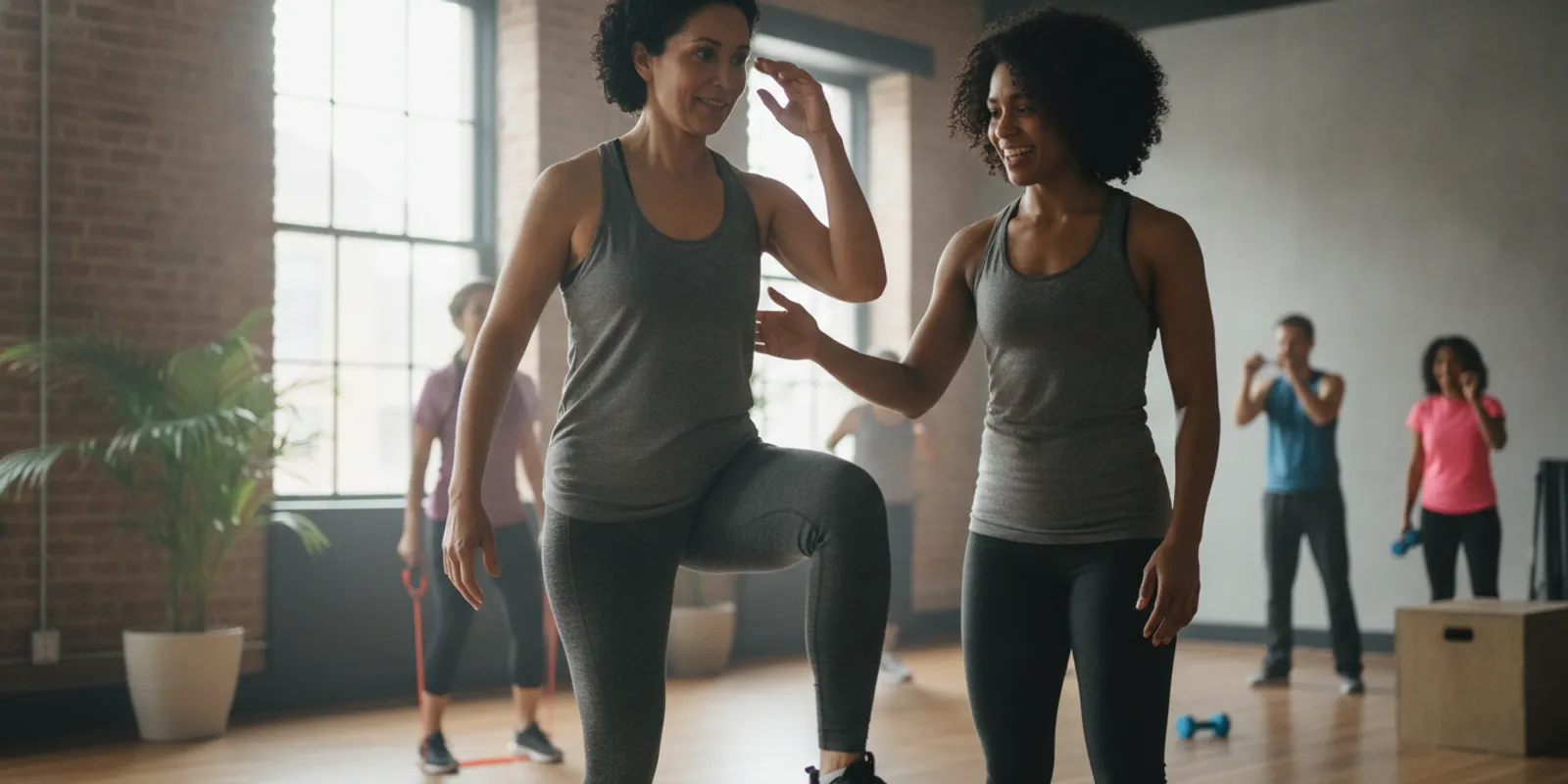
Strength training can use your body weight, free weights, machines, or resistance bands. You don’t need to start with heavy equipment or complicated exercises. Choose an approach that feels manageable, focus on learning good form, and add challenge gradually. Bootcamp workouts often combine several of these options, giving you a chance to practice different movements in one session.
Bodyweight exercises
Bodyweight exercises use your own weight to challenge your muscles. Push-ups, planks, lunges, wall squats, and burpees are common examples. Many moves can be adjusted to suit your current fitness level. For example, try wall push-ups before progressing to the floor, or use a chair for support as you practice squats.
Because you need little or no equipment, bodyweight exercises are easy to do at home or at the gym. Start with a few controlled repetitions, and rest when you need to. As the movements feel more familiar, you can gradually add repetitions or try a more challenging variation. The Cleveland Clinic’s guide to strength training offers more examples and explains how bodyweight exercises can fit into a strength routine.
Free weights and machines
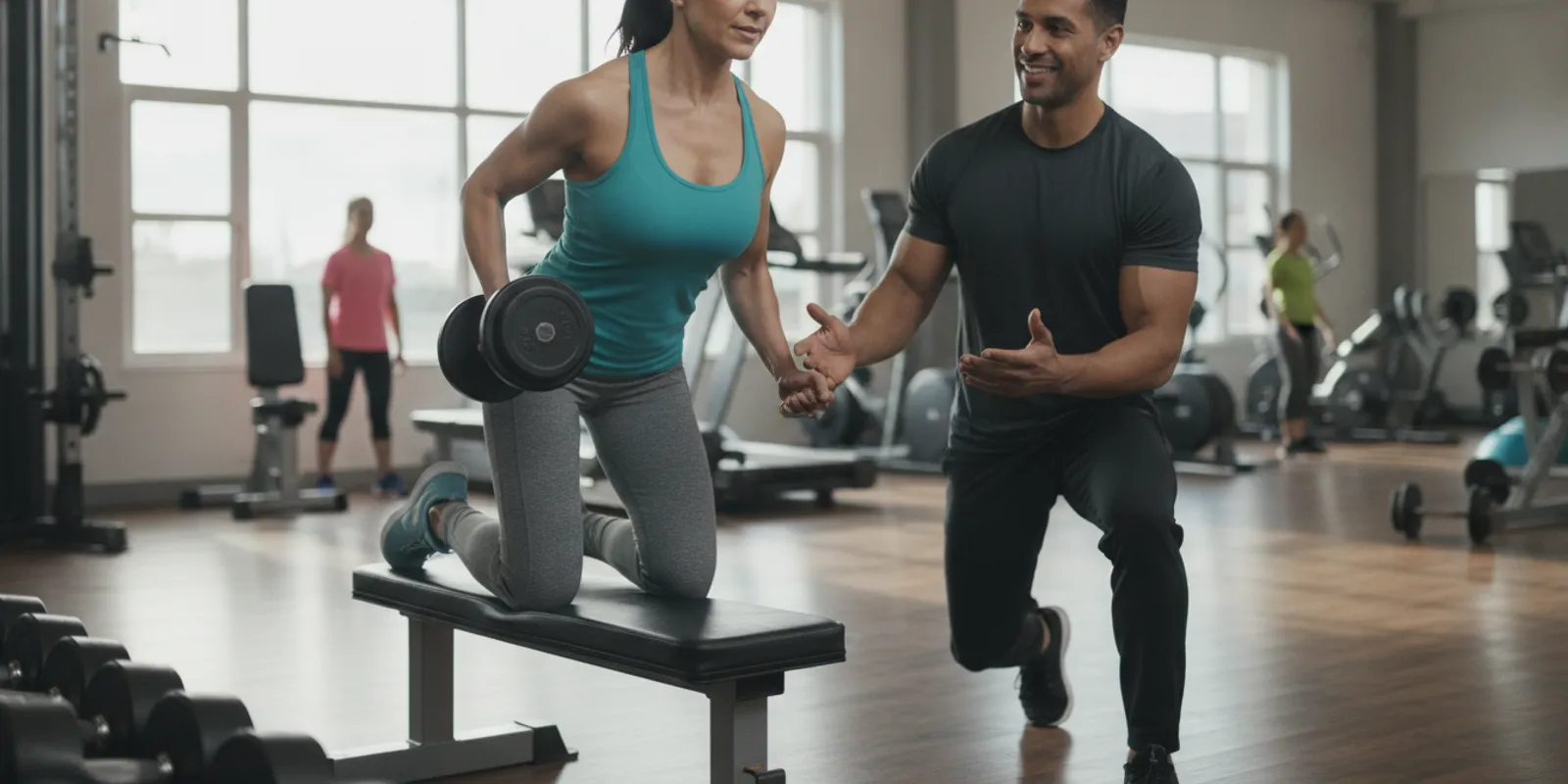
Dumbbells, barbells, and kettlebells let you perform exercises such as presses, rows, and deadlifts. You control the equipment as you move, which means you also work to keep it stable. Start with a light weight and practice the movement before adding resistance. Good form matters more than lifting a heavier load.
Weight machines guide your movement along a set path, which may make them a helpful option as you learn an exercise. Ask a trainer to show you how to adjust the machine and choose a suitable resistance. You don’t have to pick just one type of equipment: free weights and machines can both be part of a well-rounded routine. The Cleveland Clinic’s overview of strength training describes these options and how they work.
Resistance bands and bootcamp workouts
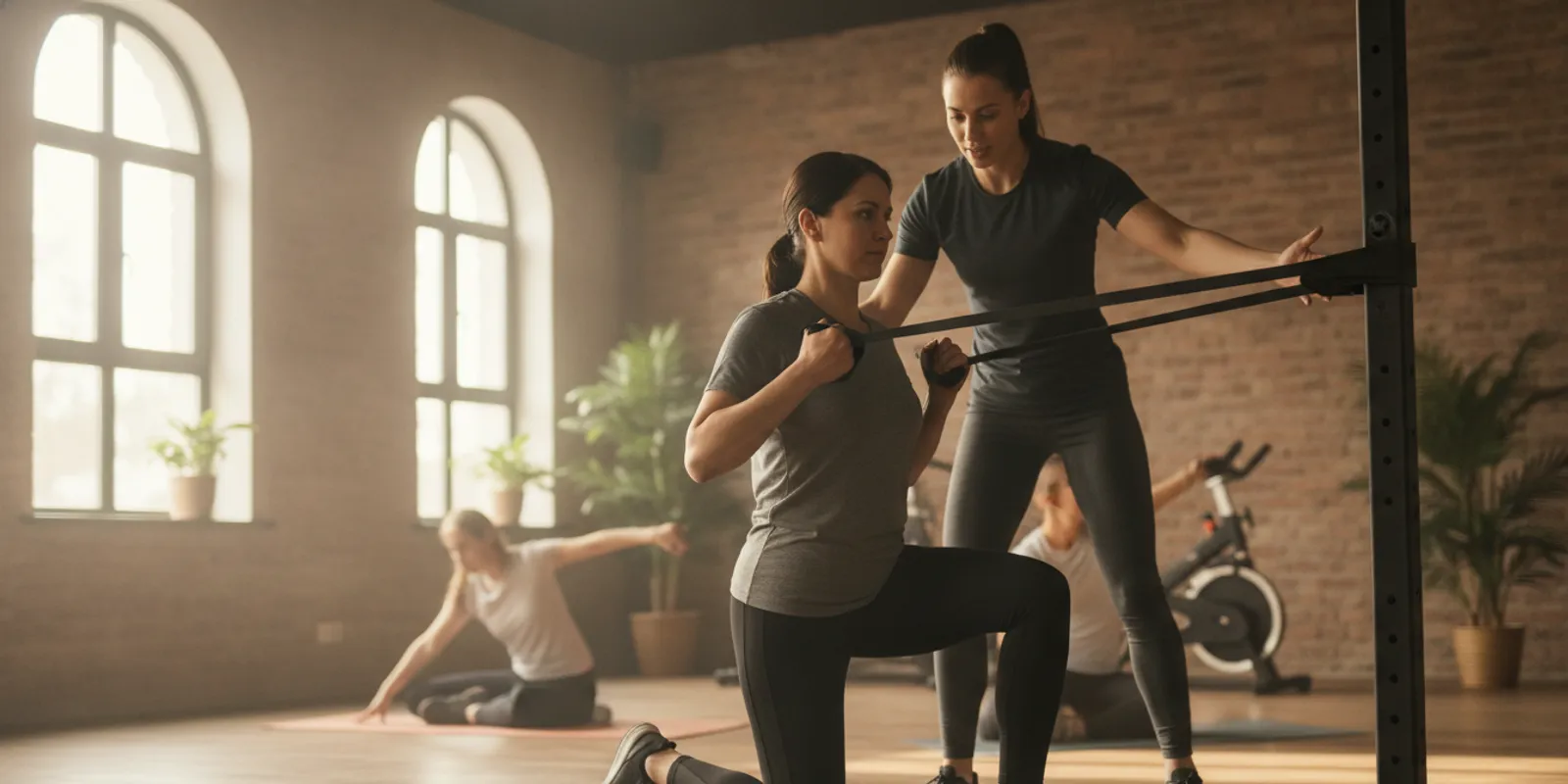
Resistance bands are portable, relatively inexpensive, and come in different resistance levels. Use them for exercises such as rows, squats, and presses. You can change the challenge by choosing a different band or adjusting your grip. Check that the band is secure before each exercise, and keep your movements controlled as you stretch and release it.
Bootcamp workouts may combine bands, bodyweight exercises, and free weights, so you can practice a range of strength movements in one session. If you’re new to training, tell your coach and ask for an exercise variation that feels comfortable. Monroe Township Bootcamp’s training options include different ways to work toward your fitness goals. For more ideas, Healthline shares examples of strength exercises with and without equipment.
Which Strength Exercises Can Beginners Try?
A beginner strength routine can include a squat, a hip hinge, a pushing movement, and a core exercise. Together, these patterns train major muscle groups and help you practice movements used in everyday activities, such as standing up, lifting objects, and reaching. You can start with bodyweight versions and add resistance when the exercises feel familiar and controlled.
Try one or two movements from each group rather than doing every variation at once. Begin with a comfortable range of motion, move steadily, and pause if you feel sharp or unusual discomfort. Your goal is to learn the movement, not to rush through repetitions. If you are uncertain about form or which variation suits your current fitness level, ask a qualified coach for guidance.
The examples below can help you plan a first workout. Healthline’s guide to strength training at home also covers beginner-friendly movements, including squats, push-up variations, and planks. For guidance and structured workouts in the area, explore Monroe Township Bootcamp’s fitness training options.
Squats and hip hinges for the lower body
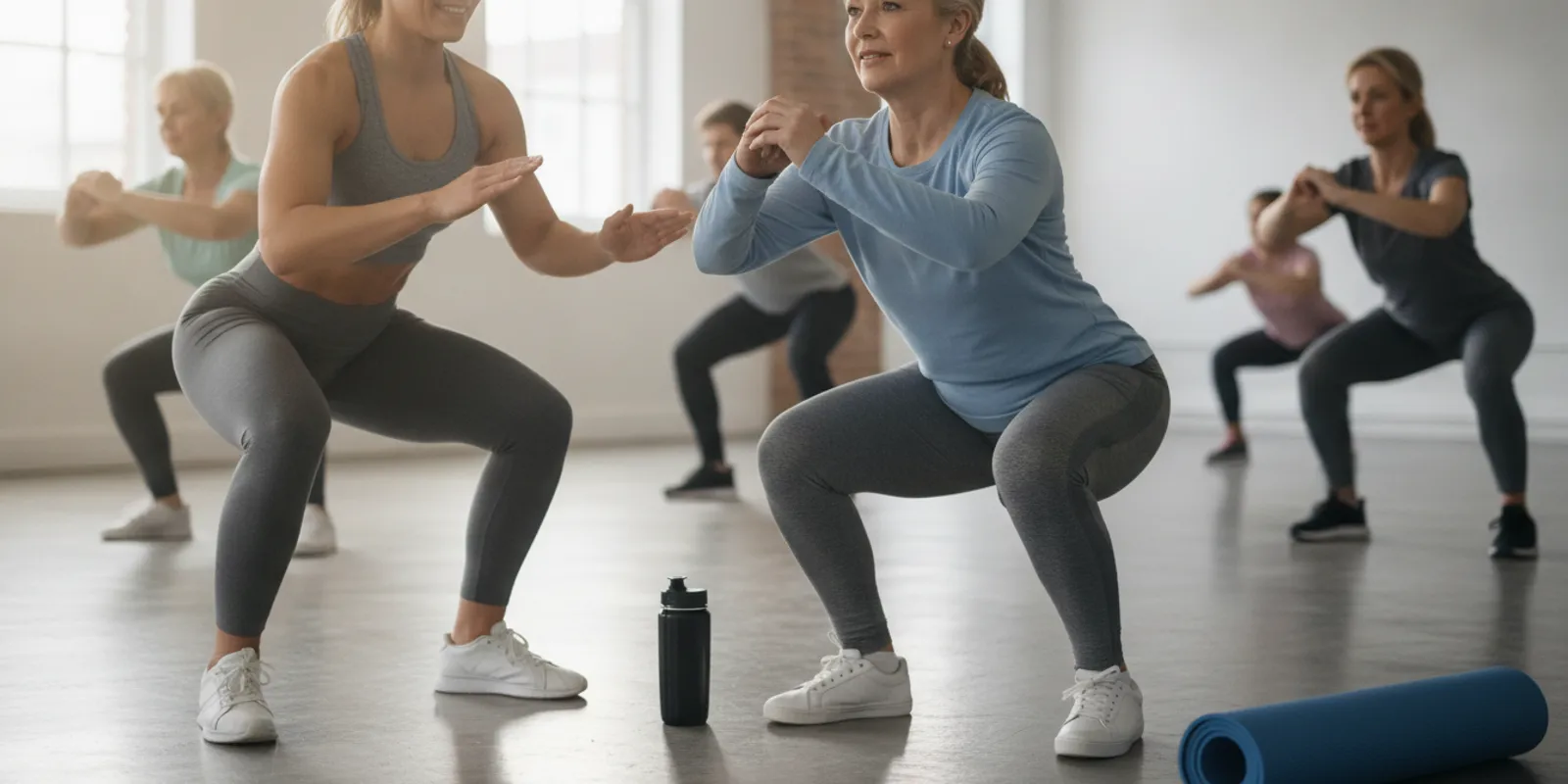
Squats work the thighs and glutes. Stand with your feet about hip-width apart, push your hips back, and bend your knees as if you are sitting toward a chair. Keep your heels on the floor and lower only as far as feels comfortable while you stay in control. A chair behind you can give you a clear target.
Hip hinges train the muscles along the backs of your legs and your hips. Soften your knees, push your hips back, and keep your back steady. Then press through your feet and bring your hips forward to stand. Practice without weights first; when the movement feels comfortable, try light resistance. Healthline’s strength-training guide explains how squats and hip hinges work the lower body.
Wall or knee push-ups for the chest, shoulders, and arms
Push-ups work your chest, shoulders, and arms, while your core helps steady your body. To try a wall push-up, place your hands on a wall at about shoulder height and step back until you feel stable. Bend your elbows to bring your chest toward the wall, then press back to your starting position. Keep your body in a comfortable, straight line.
When wall push-ups feel manageable, try knee push-ups on the floor. Place your hands under your shoulders, rest your knees on the ground, and keep a straight line from your head to your knees. Lower with control, then press up. Choose a version that lets you complete each repetition with steady form. You can gradually build strength before trying standard push-ups. Healthline’s beginner exercise guidance includes both wall and knee variations.
Glute bridges and reverse lunges for the legs and glutes
Glute bridges train your glutes and hamstrings. Lie on your back with your knees bent and feet flat on the floor. Gently tighten your midsection, press through your feet, and lift your hips until your body forms a comfortable line from your shoulders to your knees. Pause briefly, then lower slowly. Keep the movement controlled, without arching your lower back.
Reverse lunges work your legs and glutes and challenge your balance. Stand tall, step one foot back, and bend both knees as far as you can while staying steady. Press through your front foot to return to standing, then switch sides. Start with a small step, and hold a wall or sturdy support if you want extra balance. As you become more comfortable, you can gradually increase your range of motion.
Planks and modified holds for core stability
Planks train your core to help keep your body steady. Start with a knee plank by placing your forearms or hands on the floor and resting your knees down. Keep a straight line from your head to your knees, gently tighten your midsection, and breathe normally. Begin with a short hold, then rest. Add a little time as you gain confidence while keeping your position steady.
A standing plank against a wall or countertop is another beginner-friendly option. Place your hands on the surface, step back slightly, and hold your body in a straight line. A higher surface may make the hold feel easier, so choose a position you can maintain comfortably. End the hold if your hips begin to sag or you cannot keep steady form. Pair planks with lower- and upper-body exercises for a more balanced routine.
What Equipment Do Beginners Need?
You can start strength training without buying a full set of weights. Begin with what feels manageable, then add equipment as your confidence and strength grow. The right choice depends on your goals, comfort, and access to a workout space.
Start with bodyweight exercises or resistance bands
Bodyweight exercises are a practical way to learn basic movements without equipment. Try squats, wall push-ups, and glute bridges, focusing on steady, controlled repetitions. Resistance bands offer another simple starting point. They’re lightweight, easy to store, and can add resistance to exercises such as rows and side steps.
If you’re exercising at home, water bottles or canned goods can stand in for light weights while you practice. Choose a resistance level that lets you move comfortably and maintain control. The Healthline guide to strength training at home shares ideas for workouts with and without equipment.
Add dumbbells or machines as you gain confidence
When bodyweight movements feel familiar, try light dumbbells for exercises such as rows, squats, or hip hinges. Begin with a weight you can lift with good control, then add resistance gradually as the movement gets easier.
Weight machines are another option. Because they guide your movement along a set path, they may feel more comfortable as you learn a new exercise. Free weights let you control the movement yourself and can be used for a wide range of exercises. You don’t need to choose one approach for every workout. The Cleveland Clinic’s overview of strength training explains common equipment options and how they support different exercises.
Choose equipment that fits your access, comfort, and goals
The most useful equipment is equipment you feel comfortable using and can access consistently. Think about whether you’ll work out at home or in a gym, which movements you want to practice, and how much resistance feels manageable. You might start with bodyweight exercises and bands, then add dumbbells or machines as your needs change.
There’s no single best option for every beginner. Bodyweight training, resistance bands, free weights, and machines can all support a strength routine. New Mexico State University’s guide to getting started describes several approaches. If you’d like help choosing exercises and equipment, explore Monroe Township Bootcamp’s workout options and ask a coach where to begin.
How Often Should Beginners Strength Train?
Start with two full-body sessions each week
For many beginners, two full-body strength workouts each week offer a manageable place to start. You’ll get regular practice while leaving time for rest and other activities. The Cleveland Clinic recommends strength training at least twice a week, with sessions often lasting 30 minutes to an hour.
A full-body workout can include exercises for your legs, hips, chest, back, shoulders, and core. Start with a few movements you can do comfortably, and focus on controlled form rather than rushing through a long routine. If you’d like guidance choosing exercises and setting a pace, Monroe Township Bootcamp offers workouts and fitness support for people working toward strength and weight-loss goals.
Allow time to recover between sessions
Schedule your workouts on nonconsecutive days, such as Monday and Thursday. Rest gives your muscles time to recover and helps you feel ready for your next session. New Mexico State University recommends leaving 48 to 72 hours between full-body workouts, which makes spacing sessions across the week a useful approach for beginners.
Rest days can include walking or gentle mobility work if those activities feel comfortable. Pay attention to how your body responds, especially when you add a new movement. Mild soreness may occur, but stop exercising if you feel sharp pain or discomfort that interferes with everyday activities. A qualified fitness or health professional can help you decide how to proceed.
Adjust your schedule to your fitness level and recovery
Your starting point matters more than following a rigid schedule. If you’re new to strength training, try one manageable set of each exercise. As the movements feel more familiar, you can gradually add sets or resistance. The New Mexico State University guide suggests that beginners may start with one set and increase their workload over time.
If two sessions feel like too much at first, begin with one and work toward two when you feel ready. Keep a simple record of your exercises, sets, and how you feel afterward. This makes it easier to spot what’s working and adjust your routine. The goal is a schedule that challenges you while leaving room for recovery and the rest of your life.
How Can You Build a Sustainable Two-Day Routine?
A two-day routine gives you a clear way to work major muscle groups while leaving time to recover. Pick two days that fit your week, such as Monday and Thursday, and aim to leave at least one rest day between sessions. You can do these workouts at home or adapt them for a gym. Start with movements you can perform comfortably, and adjust them as your strength and confidence grow. Monroe Township Bootcamp’s guided workout options can help you build a routine with coaching and support.
Day one: Squats, pushes, hip hinges, and core exercises
Start with a squat variation, such as sitting down toward a chair and standing back up. Add a push exercise, like a wall push-up, then practice a hip hinge by moving your hips back while keeping your back steady. You can do this movement without weights as you learn the pattern. Finish with a core exercise, such as a bird dog or a short plank from your knees.
These movements train your legs, hips, chest, shoulders, arms, and core in one session. Move at a pace that lets you keep good form, and rest between exercises as needed. Healthline’s guide to strength training at home offers more beginner-friendly movements you can adapt to your fitness level.
Day two: Lunges, push-up variations, glute bridges, and core exercises
For your second workout, try reverse lunges, holding a wall or chair for balance if needed. Follow with a push-up variation that feels manageable, such as wall or knee push-ups. Add glute bridges, then finish with a core hold or another comfortable stability exercise.
This session includes familiar movement patterns with a few variations, so you can practice strength and balance without adding unnecessary complexity. Keep each repetition controlled, and choose a smaller range of motion if that helps you maintain good form. Stop and seek guidance if you experience sharp or unusual pain. A qualified coach can help you modify exercises to suit your abilities.
Start with manageable sets and reps, then adjust as needed
Begin with one or two sets of each exercise. Aim for about 8 to 12 controlled repetitions, or fewer while you’re learning a movement. For planks and other holds, start with a short interval and finish the set while you can still maintain good form.
As the exercises become more comfortable, make one small change at a time: add a few repetitions, include another set, or try light resistance. The New Mexico State University strength training guide recommends gradually increasing sets and resistance as strength improves. Keep a simple record of your exercises, repetitions, and how you felt. That makes it easier to notice progress and choose a sensible next step.
How Can You Train Safely and Avoid Common Mistakes?
Good strength training starts with movements you can perform comfortably and repeat consistently. Warm up, choose a manageable challenge, and give your body time to recover as you build your routine.
Warm up and practice proper form
Spend a few minutes warming up before you lift. March in place, circle your arms, or do a few gentle bodyweight squats to ease into the session. Starting at a comfortable pace gives you time to prepare for the movements ahead.
As you exercise, focus on steady, controlled movement rather than swinging or using momentum to move a weight. If you’re unsure about your technique, ask a qualified coach to check your form. Monroe Township Bootcamp offers workouts and coaching to help members exercise at a level that fits their experience. The Garmin guide to weight-training mistakes also explains why good control matters.
Choose manageable resistance and control each rep
Choose a resistance that lets you complete each rep with steady posture and control. That could mean starting with bodyweight exercises, a light dumbbell, or a resistance band. The aim is to practice the movement and build strength, not to lift the heaviest weight you can manage.
Move smoothly through each rep, and pause if your form starts to change. If you find yourself rushing, swinging the weight, or struggling to finish the movement, reduce the resistance or take a break. As your technique and confidence improve, you can adjust the challenge. A trainer can help you choose an appropriate starting point and make changes that suit your ability.
Train all muscle groups and avoid doing too much too soon
A balanced routine works your legs, hips, back, chest, shoulders, arms, and core. Include a mix of movements, such as squats, hip hinges, pushes, and core exercises, instead of repeating only the exercises you enjoy most. Training different muscle groups helps you develop strength across your body.
It can be tempting to exercise hard every day when you’re motivated, but your body needs time to recover. Start with a manageable schedule, such as two full-body sessions a week, and leave time between workouts. The Garmin guide to common weight-training mistakes notes that repeatedly working the same muscles can contribute to imbalances. A coach can help you plan a routine that fits your starting point.
Gradually increase reps or resistance
When an exercise starts to feel comfortable, make a small adjustment. You might add a rep or two, use a slightly stronger resistance band, or try a modestly heavier weight. Change one part of your workout at a time so you can notice how your body responds.
You don’t need to make every workout harder. Repeat your routine until you can complete the movements with control, then consider increasing the challenge. Keep a simple record of your exercises, reps, and resistance to see how your training develops. If a change makes it difficult to maintain good form, return to the previous level and build from there. Gradual progress can help you develop a routine you can maintain.
Know the difference between muscle soreness and unusual pain
Mild muscle soreness can happen after a new workout or when you use your muscles in a different way. Give yourself time to recover, and choose rest or gentle movement based on how you feel. You don’t have to train at full intensity when your muscles are tender.
Stop exercising if you feel sharp, sudden, or unusual pain, or if discomfort changes the way you move. Rest and consider speaking with a healthcare professional if the pain is severe, continues, or worries you. The Masters Fitness guide to common gym mistakes recommends paying attention to pain rather than pushing through it. When you’re uncertain, pause the exercise and seek professional advice before returning to it.
What Should Beginners Eat to Support Strength Training?
You do not need a strict meal plan to begin strength training. Aim for regular meals that include protein, carbohydrates, healthy fats, and fluids. These everyday choices can help provide energy for workouts and support recovery. If weight loss is a goal, focus on a realistic routine you can maintain, rather than drastic changes. Your nutrition needs depend on your health, activity, and personal goals, so a registered dietitian can offer guidance tailored to you.
Eat protein-rich foods throughout the day
Protein supplies building blocks your body uses to repair and maintain muscle. Include a protein source in meals and snacks throughout the day, rather than trying to fit it all into one meal. Try eggs, chicken, fish, Greek yogurt, cottage cheese, tofu, beans, or lentils.
For a simple meal, pair eggs with whole-grain toast or tofu with rice and vegetables. Your protein needs vary based on factors such as body size, activity level, and health. A helpful starting point is to include a protein-rich food in your regular meals. This beginner’s guide to strength-training nutrition offers more ideas for building balanced meals.
Choose carbohydrates for workout energy and recovery
Carbohydrates provide energy for exercise and help replenish your body’s energy stores after a workout. Choose satisfying options such as oats, rice, potatoes, fruit, beans, and whole-grain bread. Pairing carbohydrates with protein can make a practical meal or snack before or after training.
For example, try oatmeal with yogurt and fruit, or a baked potato with chicken and vegetables. You do not need special foods or precise meal timing to support your workouts. If you’re eating shortly before training, a smaller snack may feel more comfortable. When you have more time, a regular meal can work well. Notice how different foods affect your energy and comfort, then choose options that suit your routine.
Include healthy fats and nutrient-rich foods
Fats are part of a balanced diet and help your body absorb certain vitamins. Add foods such as nuts, seeds, avocado, and olive oil to meals, along with vegetables and fruit. These ingredients add variety and flavor, making balanced meals more satisfying.
A simple plate can include a protein source, a carbohydrate, vegetables or fruit, and a serving of fat. Adjust portions based on your appetite and activity level. You do not need to avoid entire food groups or label foods as “good” or “bad” to support strength training. A flexible approach can make it easier to eat well while working toward weight-loss goals. Choose meals you enjoy and can prepare consistently, rather than relying on complicated rules.
Drink water and follow a realistic eating plan for weight loss
Drink water throughout the day, including before and after exercise. Your fluid needs vary with workout intensity, temperature, and how much you sweat, so pay attention to thirst and how you feel. If your workouts are long or especially sweaty, ask a qualified health professional whether you need additional fluids or electrolytes.
For weight loss, focus on gradual changes you can maintain, such as planning balanced meals and choosing portions that leave you comfortably satisfied. There’s no need to rush to eat within a strict window after training; a regular meal or snack is a practical way to refuel. Mayo Clinic Health System shares more nutrition tips for workouts. Pairing consistent meals with coached exercise, such as Monroe Township Bootcamp’s training options, can help you build a routine that fits your goals.
How Can You Track Progress and Stay Consistent?
Progress in strength training can show up in more ways than a change on the scale. You might lift a heavier weight, complete more repetitions with steady form, or find that everyday activities feel easier. If weight loss is a goal, tracking several kinds of progress can give you a fuller picture while your body changes over time.
Consistency starts with a plan that fits your schedule and experience. Choose a realistic number of workouts, write down when you’ll do them, and keep a simple record of each session. Check in every few weeks to see what feels easier, what still feels challenging, and whether your routine is manageable. The Arthritis Foundation’s guidance on staying motivated recommends setting specific goals and deciding when you’ll work toward them.
Your progress won’t follow a perfectly straight line. Energy, recovery, body weight, and body-composition readings can vary, so focus on patterns rather than a single workout or measurement. Give yourself time to build strength, and make small changes when your training starts to feel manageable. If you’re unsure what to track or how to adjust your routine, a qualified coach can help you set a practical next step.
Schedule workouts and set realistic goals
Choose two days each week for strength training and add them to your calendar. Leave time between sessions for recovery, and pick days that work with your usual commitments. If plans change, reschedule a workout when you can instead of treating one missed session as a reason to abandon the week.
Make your goal specific and easy to check. For example, aim to complete two full-body workouts each week for four weeks. Then decide which days and times you’ll train, and prepare anything you need in advance. A clear plan makes it easier to follow through and gives you a simple way to recognize consistency.
Start with a schedule you can maintain. Once it feels like part of your routine, you can decide whether to add time, another session, or a new exercise.
Record exercises, resistance, reps, and how you feel
Use a notebook, phone app, or fitness tracker to log each workout. Write down the exercises, the resistance or weight, and the sets and repetitions you completed. Add a quick note about how the session felt, such as “good control” or “needed longer rest.”
Your notes help you make thoughtful changes instead of guessing. If you complete your planned repetitions with good form and feel ready, you might add a repetition or use slightly more resistance next time. If the movement felt difficult, repeat the same level until it feels steadier. Keep form and control ahead of lifting heavier.
A workout log also makes your effort easier to see over time. Alloy Personal Training recommends recording workouts and goals as a way to track progress and support motivation.
Track strength, energy, and body composition over time
Choose a few measures that matter to you. You could track the weight you lift, the repetitions you complete, how your energy feels, or whether daily activities are becoming easier. Body weight can be useful if weight loss is one of your goals, but it’s only one measure and doesn’t show every change in strength or body composition.
Review your notes every few weeks and look for trends. For a useful comparison, take measurements under similar conditions each time. Ask yourself whether your workouts feel more manageable, whether you’re recovering between sessions, and whether your schedule still works for you.
If one measure stays the same, look at the bigger picture before changing your plan. Progress can happen at different rates, and a coach can help you decide whether to keep going as planned or make a small adjustment.
Use InBody assessments and qualified coaching to track progress
An InBody assessment can help you review body composition alongside your workout log and other measures. Treat each result as one piece of information, not a grade or a complete picture of your health. Readings can vary, so follow the gym’s testing guidance and keep conditions as consistent as possible when comparing results.
At Monroe Township Bootcamp, InBody assessments help members track changes over time. A qualified coach can explain what your results may suggest, connect them to your training goals, and help you choose a sensible next step. You can review the gym’s training options to learn more about its support.
Bring your workout notes and questions to a coaching conversation. Together, you can review what’s improving, discuss any challenges, and set a realistic focus for your next stretch of training.
Frequently Asked Questions
Can I start strength training if I’ve never worked out before?
Yes. Begin with simple movements, such as chair squats or wall push-ups, and choose versions you can do with control. A coach can help you find exercises that fit your current ability.
How many days a week should I strength train as a beginner?
Two full-body sessions a week is a reasonable starting point for many beginners. Space them out with rest days, and adjust the schedule if you need more recovery.
Do I need weights to build strength?
No. Bodyweight exercises and resistance bands can challenge your muscles. You can add dumbbells or machines later if they suit your goals and feel comfortable to use.
Can strength training get rid of belly fat?
Strength training can support weight-loss goals, but exercises that target your core won’t selectively remove belly fat. Pair regular workouts with sustainable eating and activity habits.
How can I tell if my strength training is working?
Track more than body weight. Note your exercises, repetitions, resistance, energy, and how everyday activities feel. InBody assessments can also help you follow body-composition changes over time.