
Home Workout Routines for Beginners: A Practical Starting Guide
Home workout routines can give you a practical place to begin if you are new to exercise, returning after a break, or fitting movement around work and family. You do not need to recreate a gym in your living room. A clear floor area, a stable chair, and a few basic movement choices can help you build a repeatable practice. The first goal is not to prove how hard you can work. It is to move with control, finish feeling that another manageable session is possible, and return when you planned.
Explore coached training options
Use this guide as general fitness information, not a personalized exercise prescription or medical advice. Your abilities, health history, balance, schedule, and preferences matter. Start with a plan that feels appropriate today, and ask a qualified healthcare professional about activity when a health concern, injury, or symptom makes that important.
What makes a home routine a good starting point?
A good starting routine is clear, adaptable, and small enough to repeat. It uses a few familiar movement patterns, gives you time to rest, and lets you adjust the range or support. It does not rely on a complicated circuit, an expensive equipment list, or a workout video you cannot comfortably follow. You should be able to explain what you plan to do before you begin.
For example, one person might start with chair sit-to-stands, wall push-ups, and an easy march. Another might choose a short walk and one or two movements near a sturdy support. Both can be reasonable starting points. The right first session is the one that fits your current ability and leaves room to learn. If a movement feels unsteady or uncomfortable, make it smaller, use support, or leave it out.
Home exercise is convenient, but convenience alone does not make every plan suitable. Think about your floor space, balance, ability to get down to the floor and rise again, and whether other people or pets may cross the area. Consider what helps you stay focused: a timer, a written list, quiet music, or a fixed time of day. Harvard Health describes body-weight movements and resistance bands as options for resistance training; its overview of resistance training choices provides additional context.
Prepare a space you can use safely
Before moving, make a quick check of the room. You do not need a large studio, but you need enough clear space to take a small step in each direction without hitting furniture, cords, toys, or a low table. Move loose rugs if they slide. Check that the floor is dry and stable. Wear footwear that feels secure for the activity, or use the surface and footwear that you know are appropriate for your home. Do not assume socks are safe on a smooth floor.
Put a sturdy chair or a wall within reach if you might want balance support. A chair should sit firmly on the floor and should not roll or fold. Do not pull on a light table, unstable stool, or movable object for support. Keep water nearby, but place it where you will not trip over it. If you use a resistance band, check it for tears or signs of wear and follow its instructions. Keep small equipment out of walkways between exercises.
It can help to prepare the space before the workout time arrives. For instance, if you plan to exercise after breakfast, move the chair and put your written plan nearby the night before. If you share the room, tell others when you are using it and keep the route through the space clear. A home routine should not require a lengthy setup each time. The less time you spend searching for an item or moving furniture, the easier it may be to begin.
Start with a few minutes of comfortable movement. Easy marching, gentle arm swings, or shoulder rolls can help you transition from sitting to activity. A warm-up should prepare you, not tire you. Move at a pace that lets you breathe continuously and speak if you choose. Use a smaller range at first. Stop if you experience pain, dizziness, unusual shortness of breath, or another concerning symptom. Do not try to diagnose a symptom or decide it is harmless based on a workout article.
If you have a health concern, a current injury, or uncertainty about what activity is appropriate, speak with a qualified healthcare professional before beginning or changing a plan. General coaching and exercise information are not substitutes for medical care. Choose professional help according to the question: a coach may explain general exercise options, while health concerns and symptoms belong with an appropriate healthcare professional.
Choose movements that cover the basics
A first session does not need dozens of exercises. Select a few movements that let you practice using your legs, hips, upper body, and whole-body coordination. Keep every choice optional. A movement is not mandatory just because it appears in a list, and you do not need to perform every pattern in a single day. The examples below describe common variations, not a personalized prescription.
Chair sit-to-stand
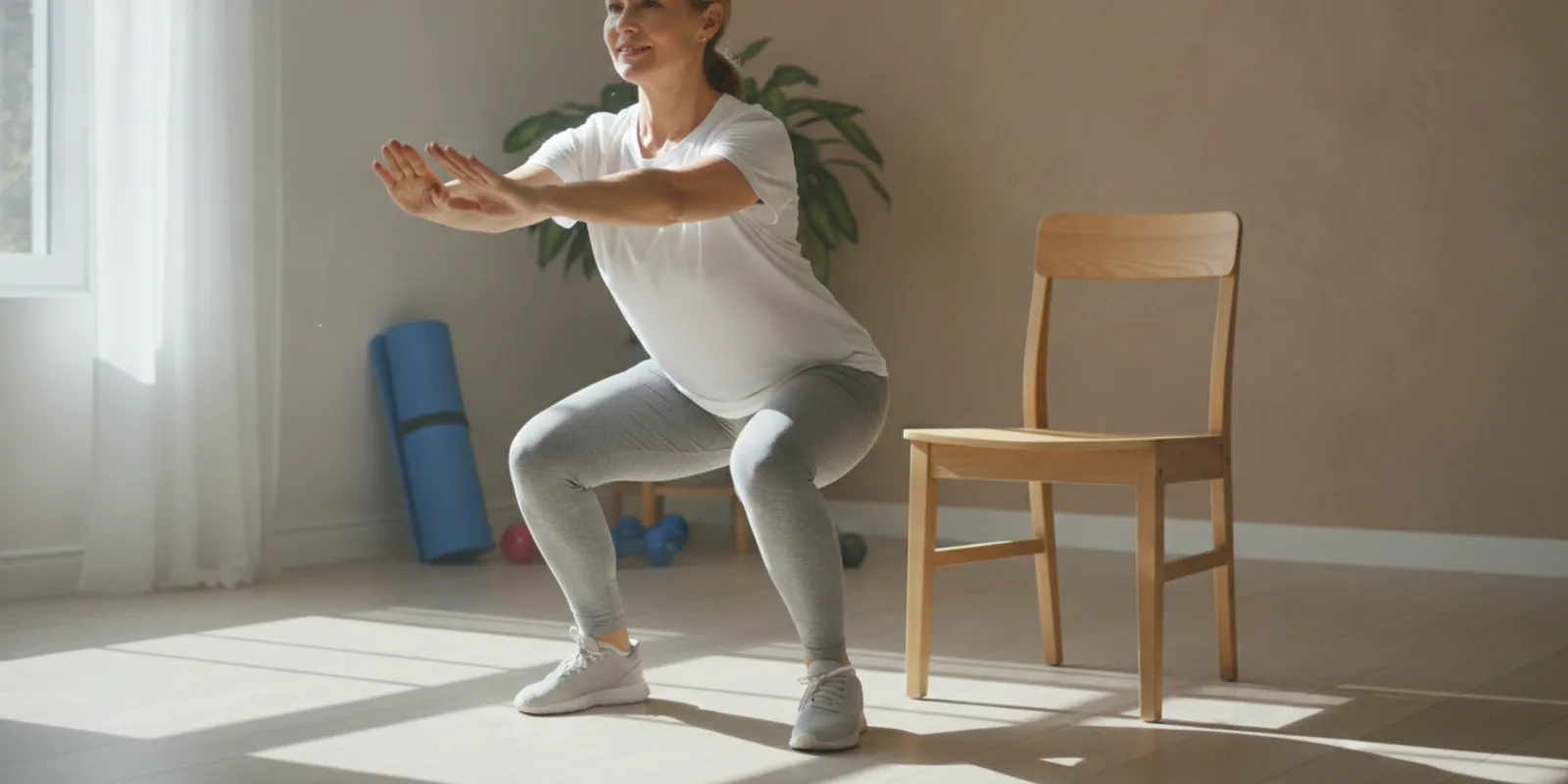
Place a stable chair behind you and stand with your feet in a comfortable position. Move your hips back and bend your knees only as far as feels controlled until you lightly touch the seat, then stand again. Use your hands on the chair or thighs if that makes the movement manageable. A higher seat or a smaller bend can reduce the range. Lower smoothly rather than dropping onto the chair. If standing up is not comfortable, skip the exercise and ask a qualified professional what alternatives may suit you.
Check the setup before each set. The chair should not move, and your feet should not be on a slippery surface. Take a moment between repetitions if you need it. You can begin with just a few repetitions to learn the sequence. The movement should not become a race to finish a number. If you notice that you are losing balance, pushing through pain, or holding your breath, stop and reconsider the version.
Wall push-up
Stand facing a wall and place your hands around chest height. Step back to a distance where you can comfortably bend your elbows, bring your chest a little closer to the wall, and press away. Standing closer generally makes the movement easier; stepping farther back may increase the challenge, so change distance only when the easier version is steady. Keep the range comfortable and do not force your shoulders into a position that hurts.
Before starting, make sure the wall and your footing are secure. If the wall is unavailable or a push-up does not feel suitable, do not improvise against a door or furniture that might shift. You can leave the movement out while you look for a safe, appropriate alternative. A routine can still be useful when you do fewer exercises than expected.
Hip hinge practice
Stand with feet comfortably apart and hands resting on your hips. Soften your knees, move your hips backward, and tip your torso forward only as far as feels controlled. Return to standing by bringing your hips forward. Think of it as a small practice movement rather than a test of flexibility. Keep your range modest, and do not force your back into a position that feels uncomfortable. If you are unsure how to perform it, leave it out until you can get suitable instruction.
Glute bridge or a standing option
If getting down to the floor and rising again is comfortable for you, lie on your back with your knees bent and feet on the floor. Press gently through your feet, lift your hips a small distance, then lower with control. Do not force the height. If a floor transfer feels difficult, avoid it. You could instead stand near stable support and practice a gentle squeeze of the buttock muscles, or choose another comfortable movement. Neither option is required.
Marching in place
Stand near a wall or stable chair if you want support. March at an easy pace, lifting each foot only as high as comfortable. Start with a brief interval, such as 20 seconds, then pause. Keep the movement smooth; you do not need to drive your knees high. Marching can be part of a warm-up or a short movement break between other exercises. If balance is a concern, use an appropriate support or choose a different activity.
How to select a small set
Choose three or four movements that seem approachable, not every option in this guide. A simple selection might include one lower-body movement, one upper-body movement, and a short easy march. If you are not comfortable with the hip hinge or floor exercise, do not include them simply to make the plan seem complete. It is better to understand a few movements than to rush through many unfamiliar ones.
Write down the exact versions you chose. “Chair sit-to-stand, hands on thighs, small range” is more useful than “legs.” A clear note saves decision-making at the next session and helps you repeat a version that felt manageable. If the first attempt feels uncertain, the note can also remind you to make the movement easier or skip it next time.
Build a first session one step at a time
For a first session, you might set aside roughly 15 to 25 minutes for a gentle warm-up, a few movements, rests, and a calm finish. That is an example, not a required duration. A shorter session may be a better start. The aim is to learn how the plan feels, not to fill every minute or reach exhaustion.
- Clear the area and put a stable chair or wall within reach.
- Move gently for two or three minutes, such as easy marching or comfortable arm movements.
- Try six to eight controlled chair sit-to-stands, using support or a smaller range if needed.
- Try six to eight wall push-ups at a distance that feels manageable.
- Practice six to eight small hip hinges if they feel comfortable, or skip them.
- March easily for about 20 seconds, then pause and decide whether another round feels appropriate.
The repetition counts are examples. You can do fewer, take longer rests, or finish after one movement. During each exercise, notice whether you can keep control and breathe continuously. Rest until you feel ready to decide what comes next. There is no rule that says every person must repeat the sequence twice or that a certain number of repetitions makes a session count.
End with a few easy minutes of walking around the room or another comfortable way to settle. Do not rush from the last repetition straight into a demanding task. Give yourself a moment to notice how you feel. If you have pain or a concerning symptom, stop and seek appropriate advice rather than using the cool-down to test whether it disappears.
After the session, write down what you actually did, not what you intended to do. Note which movements felt steady, where you needed support, and whether the pace was comfortable. A record might read: “Tuesday: warm-up, five chair stands with hands, six wall push-ups, short march; rested between; felt manageable.” This simple record is useful because it gives you a realistic starting point for the next session.
Compare simple routine formats
There is more than one way to arrange a home session. A circuit moves from exercise to exercise with short pauses; a straight-set format finishes a movement before moving to the next; a movement break is shorter and less formal. None is automatically best. Consider what helps you maintain control, what fits your space, and whether switching positions or equipment creates extra hassle.
| Format | What it looks like | Possible advantage | Watch for |
|---|---|---|---|
| One movement at a time | Complete a small set of one exercise, rest, then move to the next. | Easy to remember and adjust; fewer transitions. | Do not rush repetitions to get through the list. |
| Gentle circuit | Move through a few exercises with comfortable pauses as needed. | Offers variety and a clear sequence. | Take more rest when your breathing or balance calls for it. |
| Short movement break | Practice one or two familiar actions for a few minutes. | Can fit a busy day and reduce setup. | It is fine to stop; do not turn every break into a hard workout. |
| Walk plus strength practice | Pair comfortable walking with a few simple strength movements. | Provides a change of setting or pace when suitable. | Choose a safe route and do not add activity beyond what feels appropriate. |
For a beginner, a straightforward sequence often makes it easier to focus on one task at a time. If changing position from floor to standing is inconvenient, select standing exercises. If you become distracted when repeating one movement, a gentle circuit may help you stay engaged, as long as you preserve rest. Try one format for a few sessions before changing it. You are learning what is practical, not auditioning for a perfect routine.
Plan a week you can actually repeat
Two nonconsecutive strength sessions are one possible starting example for some beginners, with rest or comfortable movement between them. One session may be a more sensible beginning depending on your ability, recovery, existing activity, and schedule. If you already walk, play a sport, or follow another plan, account for that instead of automatically adding more work. A week should fit your life rather than compete with it.
| Day | Possible activity | How to use the day |
|---|---|---|
| Monday | Short home strength practice | Try three familiar movements at an easy pace. |
| Tuesday | Rest or comfortable movement | Choose an easy walk only if it suits you. |
| Wednesday | Short home strength practice | Repeat familiar versions and record how they felt. |
| Thursday | Rest or gentle mobility | Keep the day flexible rather than adding a missed session. |
| Friday | Optional comfortable walk | Include it only if it fits your energy and routine. |
| Saturday | Optional short practice or rest | Do not make up missed work with a hard session. |
| Sunday | Rest and plan | Choose realistic opportunities for the coming week. |
This sample calendar is not a prescription. Move the sessions to days you can protect. If Mondays are regularly hectic, schedule a different day. If a week becomes busy, shorten the practice or resume at the next planned opportunity. Treating one missed session as failure often makes a plan harder to restart. A schedule should offer direction, not become another source of pressure.
Plan the details that tend to derail you. If mornings are unpredictable, choose a short evening window. If you share a living space, identify a time when the floor is clear. If you often forget what you planned, write the movements on a note and leave it near the chair. The best schedule is not the most ambitious one; it is the one you can realistically try again next week.
Adapt exercises to your starting point
There is no prize for choosing the hardest variation. Scale movements so you can use steady control and a comfortable range. For chair sit-to-stands, use a higher seat or your hands for support. For wall push-ups, stand closer to the wall. For marching, keep one hand near stable support and lift your feet only a little. Rest longer whenever your breathing or balance needs it.
Make one adjustment at a time. If the movement felt difficult, keep the same number of repetitions and make the range smaller next time. If the range was comfortable but the repetitions felt like too much, reduce the number. If you felt steady but the session took longer than you expected, do fewer exercises rather than hurrying. Changing one variable helps you notice what made the practice more manageable.
For example, imagine that eight chair stands felt tiring and the last repetitions became rushed. At the next session, you could try five slower repetitions and rest longer. Do not also add a band, change the chair, and include extra sets at the same time. If five repetitions feel comfortable over repeated sessions, you can decide whether to keep them or make one small change. This is a practical process of observation, not a challenge to keep increasing the workout.
For wall push-ups, standing closer is a straightforward way to reduce the challenge. If you cannot keep the movement controlled at your chosen distance, step closer or shorten the range. If standing balance is uncertain during marching, hold a suitable support or replace the exercise. A video or another person’s routine cannot tell you which version is right for you. Comfort, control, and appropriate professional guidance matter more than copying a demonstration.
Pause, skip, or substitute any exercise that does not suit you. You do not have to “push through” pain to complete a list. If a movement repeatedly causes discomfort or you are unsure what is safe given a health concern, ask an appropriate professional instead of experimenting with progressively harder versions.
Progress without rushing
Repeat a familiar plan for several sessions before deciding what to change. When the movements feel controlled and comfortable, consider one modest adjustment: add one or two repetitions, add a set, slow the lowering part, or choose a slightly more challenging position. Then give yourself time to notice your response. You do not need to make every workout harder, and you do not need to change something simply because a calendar says it is time.
- Keep a short log: Record the movement, variation, repetitions, and how it felt. For example: “wall push-up, close stance, six repetitions, controlled.”
- Repeat a good session: Repeating a comfortable plan gives you a chance to learn it and build confidence.
- Change only one detail: Do not add equipment, extra movements, and a faster pace all at once.
- Respond to warning signs: Stop a movement that causes pain or concerning symptoms; do not push through merely to finish a set.
Progress can mean making the routine more practical, not only making the exercise harder. You might prepare the space in advance, remember the sequence without checking your phone, or feel more confident using a chair. Those are meaningful improvements in how the routine fits your day. A plan that you can perform with control and return to is more useful than one that is impressive on paper but rarely happens.
Soreness is not a scorecard. A session can be useful without leaving you sore, and significant pain is not a goal. Do not use soreness as the only measure of whether a workout “worked.” If symptoms persist or you are uncertain what they mean, speak with a qualified healthcare professional rather than diagnosing yourself or trying to fix the issue by changing the workout alone.
Do you need equipment?
Not necessarily. Bodyweight movements, a stable chair, and a clear space are enough for many introductory practices. A resistance band can offer another way to add resistance; small hand weights may be useful later if you already have them and know how to use them. Buying equipment does not automatically make a plan more effective or easier to maintain.
Before purchasing anything, spend time learning which movements you enjoy and can repeat. Then identify a specific need. Do you want another resistance option? Would a mat make a floor movement more comfortable, if floor work is appropriate for you? Do you have a safe place to store an item? Avoid buying a set because a complicated online routine uses it. Equipment should solve a real problem in your own plan.
If you use a band, read its instructions and inspect it before each use. Keep it away from sharp edges, and do not anchor it to an object that might move. If using hand weights, select a manageable option and learn how to hold and store them safely. Do not lift an object just because it is available. A chair should remain stable, and floors and pathways should stay clear of equipment between exercises.
Equipment should support a routine, not become a reason to postpone one. If you are unsure how to use an item, choose a simpler bodyweight movement or ask a qualified coach to explain general exercise options. If your question is about a health condition, injury, or symptom, seek guidance from a qualified healthcare professional.
Make the routine easier to keep
Attach exercise to a cue that already exists, such as after breakfast, during a scheduled break, or when you change clothes after work. Put the written plan where you will see it. Decide in advance which days and times are realistic. If you wait until you feel motivated and then decide what to do, you are asking yourself to make several decisions at the moment when it is easiest to defer the session.
Create a minimum version for busy days. It might be one round of two familiar movements, or a few minutes of comfortable movement. The minimum should be small enough to fit a difficult day and still feel appropriate. It is not a test that you must pass. If rest is what you need, rest. Do not try to compensate for a missed workout with an unusually long or intense session later.
Use reminders that help rather than nag. A calendar entry can reserve a window, but it does not need to dictate exactly how the workout goes. If a meeting runs late, use the shorter plan or move the session. If you miss it entirely, return at the next opportunity. A routine is a repeated practice, not a streak that must remain unbroken.
At the end of the week, take a minute to review what happened. Which sessions fit? Which movements felt steady? Did setup take too long? Were you trying to do too much? Make one practical change, such as moving the chair into place earlier, shortening the plan, or choosing a quieter time. Avoid rewriting the whole routine in response to one unusually busy day.
Some people find it helpful to tell a friend what days they plan to move or ask someone to check in. Keep that support encouraging and nonjudgmental. Another person’s pace, ability, and exercise choices are not a standard you must match. If accountability helps, use it to show up for a reasonable plan, not to pressure yourself into a workout that feels unsuitable.
Common obstacles and practical responses
“I do not have enough time.”
Set a small minimum version, such as one round of three movements or a ten-minute window that includes rest. Choose the exercises before the day gets busy. A shorter practice can help preserve the habit, but you do not have to turn every spare moment into exercise. If even a short session does not fit, resume when it does rather than forcing an inconvenient workout.
“I am not sure I am doing it right.”
Choose an easier version, slow down, and use stable support where appropriate. Keep the range modest. Do not use discomfort as a cue to push harder. A qualified coach may help explain general movement options; a health concern or injury should be discussed with a qualified healthcare professional. When you cannot tell whether a movement is appropriate, leaving it out is a valid choice.
“I keep changing my plan.”
Write down a small routine and repeat it for several sessions before revising it. Constantly switching exercises can make it hard to practice or notice what feels comfortable. Adjust one detail at a time when there is a clear reason, such as a movement being awkward or your schedule being unrealistic. You do not need novelty for every session.
“I missed a workout.”
Resume at the next opportunity. Do not double the next session or treat one missed day as proof that the plan failed. If the timing is consistently difficult, move the session or shorten it. A missed workout is information about how the plan fits your week, not a reason to punish yourself.
“I expected a specific change in my body.”
No single exercise can promise weight loss or a specific change in one body area. People respond differently, and an article cannot predict an individual result. Focus on actions you can control, such as practicing regularly, resting, and seeking suitable support. Monroe Twp Boot Camp’s own success-story page notes that individual results vary; it is not a guarantee of what anyone will experience.
When might coaching or a group setting help?
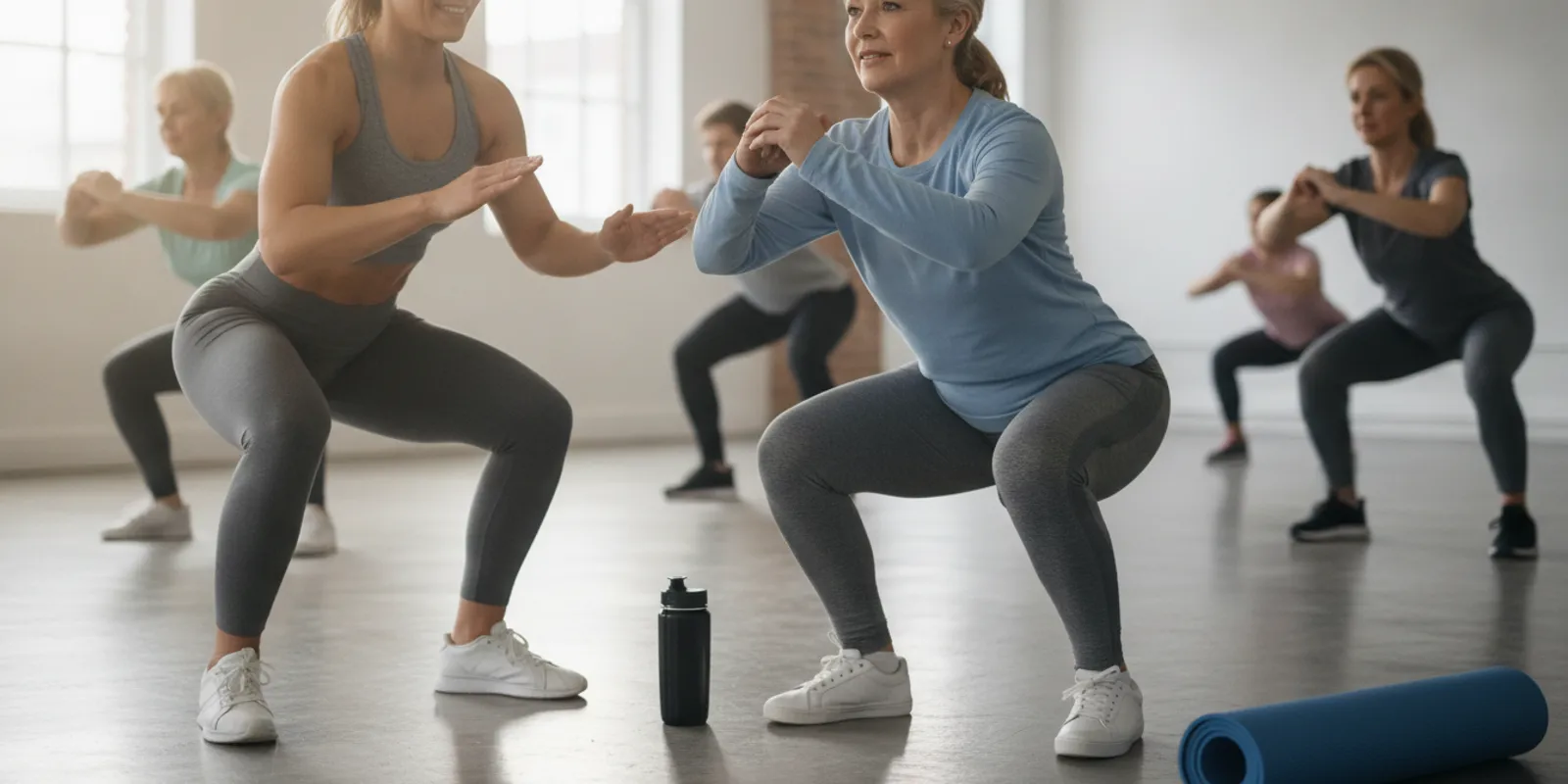
Home exercise suits many people, but it is not the only way to start. You may prefer coaching if you want scheduled structure, help learning movement options, or a group environment that makes it easier to show up. Other people prefer home practice because it feels private, convenient, or easier to fit around family responsibilities. Neither setting is automatically right for everyone.
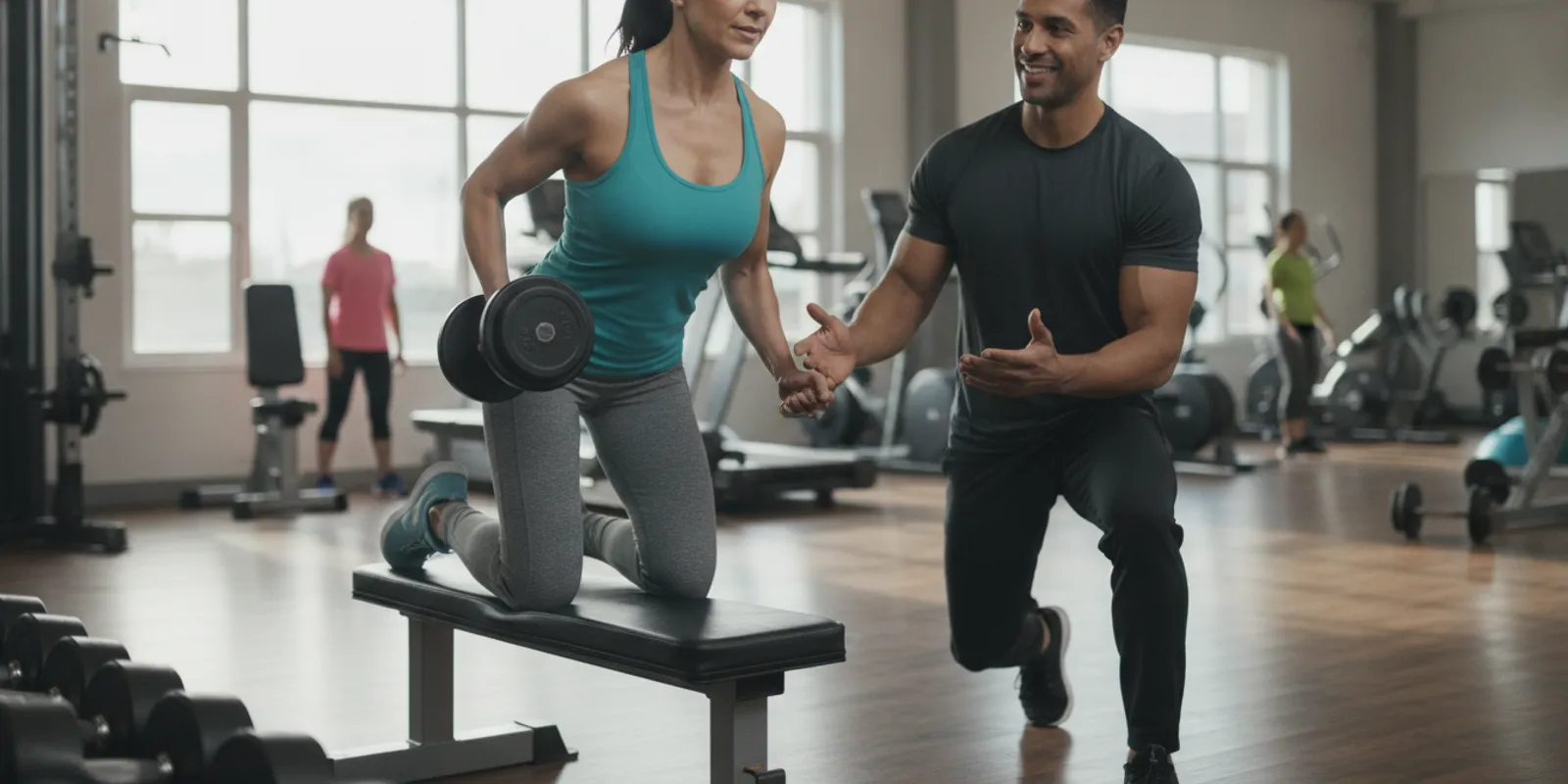
A coach can offer exercise guidance and help you understand general options. Coaching is not medical care and does not guarantee an outcome. If you have an injury or medical concern, discuss appropriate activity with a qualified healthcare professional. You can also ask a gym what a first visit involves before deciding whether to participate.
Monroe Twp Boot Camp describes coach-led small-group boot camp, private training, kickboxing, nutrition coaching, a VIP 63 Day Transformation, and InBody body-composition assessments. The gym describes workouts as adaptable for beginners and about 45 minutes or less. These are options to learn about, not requirements for beginning exercise. You can review its training formats and first-visit information before making an inquiry.
The site describes a first free class, but an inquiry is a request, not confirmation of a date or time. The FAQ says visitors should arrive a few minutes early, wear comfortable exercise clothes, bring water, a mat, and a towel, and keep sneakers off the main exercise mats. A friend or spouse who wants to attend must request their own free pass. The free class is not a free membership, scan, or private training session. For questions about the introductory class or other options, use the contact page.
Use a few practical questions to compare the settings. Do you prefer following a plan alone, or do you show up more consistently when a time is scheduled? Would you rather learn movements at home first, or ask a coach to explain options? Is your home space comfortable and private enough? Does a group environment feel encouraging or distracting? There is no need to decide permanently. You can start at home and ask about coaching later, or inquire first and then decide whether home practice suits you better.
Ask about the first free class
Frequently asked questions
Can I start home workout routines without equipment?
Yes. Many beginners can try comfortable bodyweight movements such as chair sit-to-stands, wall push-ups, and marching. A clear space and a stable chair may be enough to begin. Use support if needed and choose movements that feel controlled; you do not need to buy equipment before deciding what kind of routine you can maintain.
How many days a week should a beginner exercise?
There is no single schedule for everyone. Two nonconsecutive strength sessions are one possible starting example, but one session may suit you better depending on your ability, recovery, existing activity, and other commitments. If health concerns affect what is appropriate, ask a qualified healthcare professional for guidance.
How long should a home workout take?
A 15- to 25-minute session can leave time for a warm-up, a few movements, rests, and a calm finish. That is an example, not a target. Start shorter if that is more manageable, and add time only when the plan feels comfortable and practical.
Do I need to feel sore for a workout to count?
No. Soreness is not required for a useful session. Focus on controlled movement and a comfortable effort instead of using soreness as a score. Stop if you experience pain or concerning symptoms, and seek appropriate advice when needed.
Can home exercise guarantee weight loss?
No. Exercise cannot guarantee a specific amount of weight loss or a change in a particular body area. People respond differently. A repeatable routine can support regular movement, but it does not promise a particular result.
Choose one small next step
For your next session, clear a small space, choose three familiar movements, and write down the easiest versions that feel comfortable. Decide when you will try them, then note what you want to repeat or adjust afterward. If you prefer a coach-led setting, learn about Monroe Twp Boot Camp’s options and ask about the first class; your inquiry is a request and does not reserve a date or time. A realistic plan gives you a starting point you can build on gradually.