
Fitness Coaching for Adults Over 30: How to Choose
A scale can show one number, but it can’t tell you everything about your fitness progress. You might be building strength, improving stamina, or changing your body composition even when your weight stays the same. Fitness coaching for adults over 30 can help you set meaningful goals and track more than pounds lost. With a structured workout plan, a coach can guide you through strength and cardio exercises at an appropriate pace. Monroe Township Bootcamp also offers InBody assessments to help members measure body-composition changes over time. Explore how coaching, consistent training, and useful progress checks can work together as you pursue weight loss, strength, or better overall fitness.
Key Takeaways
- Begin with a plan that fits you: Share your goals, schedule, experience, and any health concerns so a coach can adapt your workouts.
- Track progress beyond the scale: Notice changes in strength, stamina, consistency, and body composition, using InBody assessments as one helpful measure.
- Choose support you can stick with: Compare class formats, coaching style, schedule, and costs to find a program that works for your routine.
What Is Fitness Coaching for Adults Over 30?
Fitness coaching gives you a plan, practical instruction, and support as you work toward goals such as building strength, improving fitness, losing weight, or establishing a regular workout routine. Turning 30 doesn’t mean you need a special type of exercise, but your current fitness, schedule, past injuries, and personal goals should shape your approach. A coach can help you start at an appropriate level and adjust exercises as your ability changes.
Coaching can also make progress easier to understand. Instead of guessing what to do each time you exercise, you follow a structured program and get feedback along the way. At Monroe Township Bootcamp, members can take part in bootcamp-style workouts, with InBody assessments available to help track changes in body composition. Consider which coaching format feels comfortable and realistic for your schedule, then ask how the program can be adapted to your needs.
How Coaching Combines Training, Guidance, and Accountability
A coach does more than set up a workout. They can demonstrate exercises, explain how to perform them, and suggest adjustments based on your fitness level and goals. That guidance can be useful if you’re new to strength training, returning after a break, or unsure how to build a balanced routine. Advanced Kinetics Physical Therapy + Sports Performance notes that personal trainers can tailor programs for people with different levels of experience.
Regular sessions also create a routine and give you a chance to check in on how training is going. You can share what feels manageable, where you need help, and what you want to work toward next. Look for a coach who listens to your concerns and explains how they’ll adapt the plan, rather than expecting you to keep up with a fixed workout.
Choose Bootcamp, One-on-One, or Online Coaching
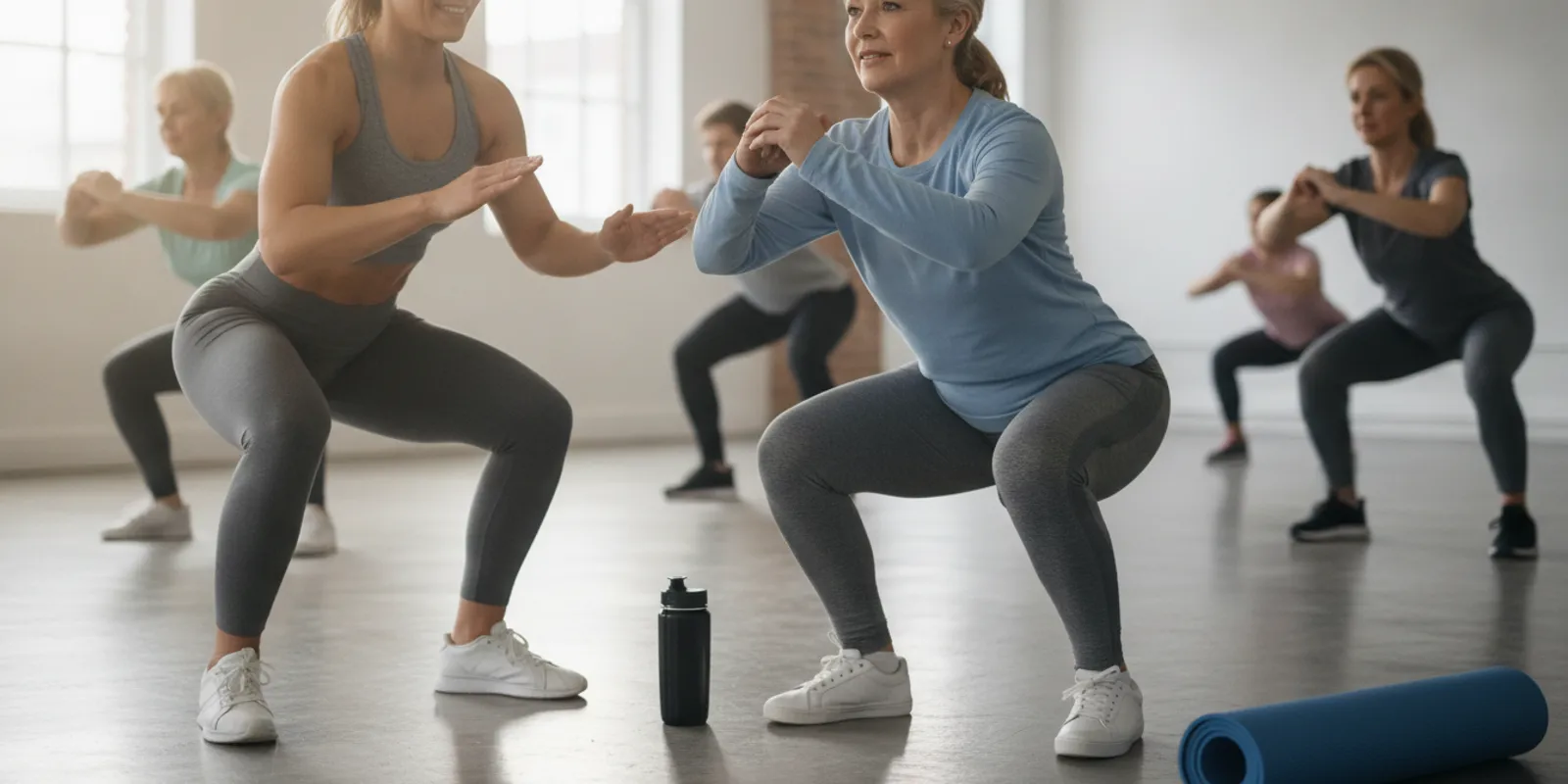
Bootcamp classes offer instructor-led workouts in a group setting. They may suit you if you enjoy exercising alongside others and want a planned session to follow. One-on-one coaching provides more individual attention, while online coaching can offer flexibility if you prefer to work out at home or on your own schedule. Ask what formats a gym actually offers before deciding.
Think about the support you want, the times you can attend consistently, and how comfortable you feel exercising in a group. Also ask how the coach modifies movements for different abilities and what to do if an exercise feels uncomfortable. The CDC’s guidance on physical activity for older adults highlights that activity can be adapted to individual abilities. The same principle is useful at any age: choose a format that can meet you where you are.
What Fitness Concerns Can Coaching Address After 30?
Turning 30 does not mean your fitness has to decline, but your goals, schedule, and recovery needs can change over time. A coach can help you build a routine around your current ability, whether you want to get stronger, improve stamina, lose weight, or feel more capable in everyday activities. You’ll have guidance on which exercises to try, how to modify them, and when to increase the challenge.
Good coaching also makes room for real life. Work, family responsibilities, past injuries, and changes in energy can affect how often or how intensely you train. A thoughtful program can adjust to those factors while keeping your goals in view. Monroe Township Bootcamp offers coached workouts and InBody body-composition assessments to help members track measurable changes alongside strength, fitness, and how they feel.
Fitness coaching is not a substitute for medical care. A trainer should not diagnose or treat a health condition, but can help you follow a structured exercise plan, make sensible modifications, and recognize when to ask a healthcare professional for advice.
Maintain Strength and Muscle as Your Needs Change
Strength training can help you maintain muscle and preserve the strength you use for daily tasks, from carrying groceries to climbing stairs. Muscle mass and strength can change as you age, though the pace varies from person to person. Research suggests that resistance training can help counter age-related changes in muscle function.
A coach can choose exercises that fit your experience and gradually adjust the challenge as you get stronger. You might begin with body-weight movements, use lighter weights, or modify your range of motion before progressing. The goal is not to lift more every session. Consistent practice and sound technique can help you build strength at a manageable pace, with exercises that support the activities you care about.
Support Cardiovascular Health, Mobility, and Recovery
A well-rounded routine can include strength work, cardio, mobility exercises, and time to recover. Cardio helps develop stamina, while mobility work can support comfortable movement in everyday life. A coach can help balance these elements and adjust workout intensity to suit your fitness level, schedule, and how you feel.
Recovery matters, too. Rest days and gradual progressions give your body time to adapt, especially when you’re returning to exercise or becoming more active. The CDC explains that physical activity can help older adults maintain strength and continue doing everyday activities independently. Its guidance on physical activity for older adults offers helpful principles for building a routine. If soreness or fatigue lingers, tell your coach so they can adjust your plan instead of asking you to push through without a clear reason.
Adapt Training for Injuries or Health Conditions
An injury or health condition does not automatically rule out exercise, but it can affect which movements are right for you. Tell your coach about relevant limitations before a workout, and check with your healthcare provider if you’re unsure what’s safe. A coach can suggest modifications, reduce the load or range of motion, or offer a lower-impact option. Stop if an exercise causes sharp pain, and let your coach know what you’re experiencing.
Different conditions call for different precautions. For example, people with arthritis may need to adjust repetitions if pain or swelling increases. People with osteoporosis may need guidance on suitable weight-bearing movements and safe technique. Healthline’s overview of adapting exercise as you age discusses examples of these adjustments. A qualified trainer can help adapt a workout, while a healthcare professional can advise you on condition-specific limits.
What Are the Benefits of Fitness Coaching After 30?
Fitness coaching can help you train with a clear plan, whether you want to build strength, lose weight, or return to regular exercise. A coach can tailor workouts to your current ability, help you progress steadily, and make it easier to see changes beyond the number on the scale.
Build Strength and Improve Everyday Fitness
Strength training can help you maintain muscle and make everyday activities, such as carrying groceries, lifting a suitcase, or climbing stairs, feel more manageable. Muscle strength can decline with age, but resistance training can help preserve and improve muscle function, according to this research review.
A coach can demonstrate exercises, help you practice good form, and adjust movements to match your experience and comfort level. That support can be helpful if you’re new to strength training or returning after time away. Regular physical activity also helps people maintain the ability to manage daily tasks as they get older, notes the CDC’s overview of activity for older adults.
At Monroe Township Bootcamp, strength work is part of a wider training program. Take a look at the gym’s fitness and training options to see how coached workouts can support your goals.
Support Weight Loss and Body-Composition Goals
If you’re working toward weight loss, coaching can give your exercise routine structure. A coach can combine strength exercises and cardio, then adjust the plan as your fitness changes. Regular activity and building muscle can support weight-management efforts, though results also depend on factors such as nutrition, sleep, and your daily habits.
It can help to track more than pounds lost. You might notice improved stamina, increased strength, or changes in how your clothes fit. Monroe Township Bootcamp offers InBody assessments to help members track body composition over time. Use those readings as one measure of progress alongside how you feel and perform, rather than treating a single result as the whole story.
Build a Consistent Routine With Coaching and Accountability
A busy schedule, low energy, or uncertainty about which exercises to do can make it hard to keep working out. Coaching gives you a plan and someone to guide you through each session. It can also add accountability, helping you protect time for exercise and stay connected to your goals.
Start with a schedule you can realistically maintain. Your coach can adapt movements to your current ability and make changes as your strength and confidence grow. The HelpGuide exercise guide notes that starting or maintaining a regular routine can be challenging. Group workouts can add encouragement from other members, while scheduled sessions create a dependable structure. Monroe Township Bootcamp’s coached bootcamp workouts offer a practical place to begin.
How Do Coaches Personalize Workouts and Track Progress?
A useful fitness plan should fit your starting point, goals, and daily routine. Coaches can adjust exercises and workout intensity as your fitness changes, then use regular check-ins to help you understand what’s working and where to focus next.
Match Training to Your Fitness Level, Goals, and Schedule
Before suggesting a plan, a coach should learn about your exercise experience, goals, schedule, and any limitations. If you’re new to training, you might begin by practicing basic movements and building a consistent routine. If you already exercise regularly, your workouts can offer more challenge or focus on goals such as building strength or improving endurance. Personal training can be adapted for different experience levels, as Advanced Kinetics explains.
Be honest about how often you can realistically work out. A manageable routine is easier to stick with than a schedule that doesn’t fit your work or family life. You can review the training options at Monroe Township Bootcamp to find a program that aligns with your needs.
Combine Strength, Cardio, and Modifications
A well-rounded workout may include resistance exercises, cardio intervals, and movements that support mobility. Strength training helps build and maintain muscle, while cardio challenges your heart and lungs. A coach can adjust the weight, pace, repetitions, or range of motion to make an exercise more accessible or more demanding.
Tell your coach about injuries, joint discomfort, or health conditions before class. If you’re unsure which activities are right for you, ask a healthcare professional for guidance. Regular physical activity can support strength and everyday function as you age, according to the CDC’s physical activity recommendations. Modifications help you work at an appropriate level while building confidence and consistency.
Track InBody Results Alongside Strength, Fitness, and Well-Being
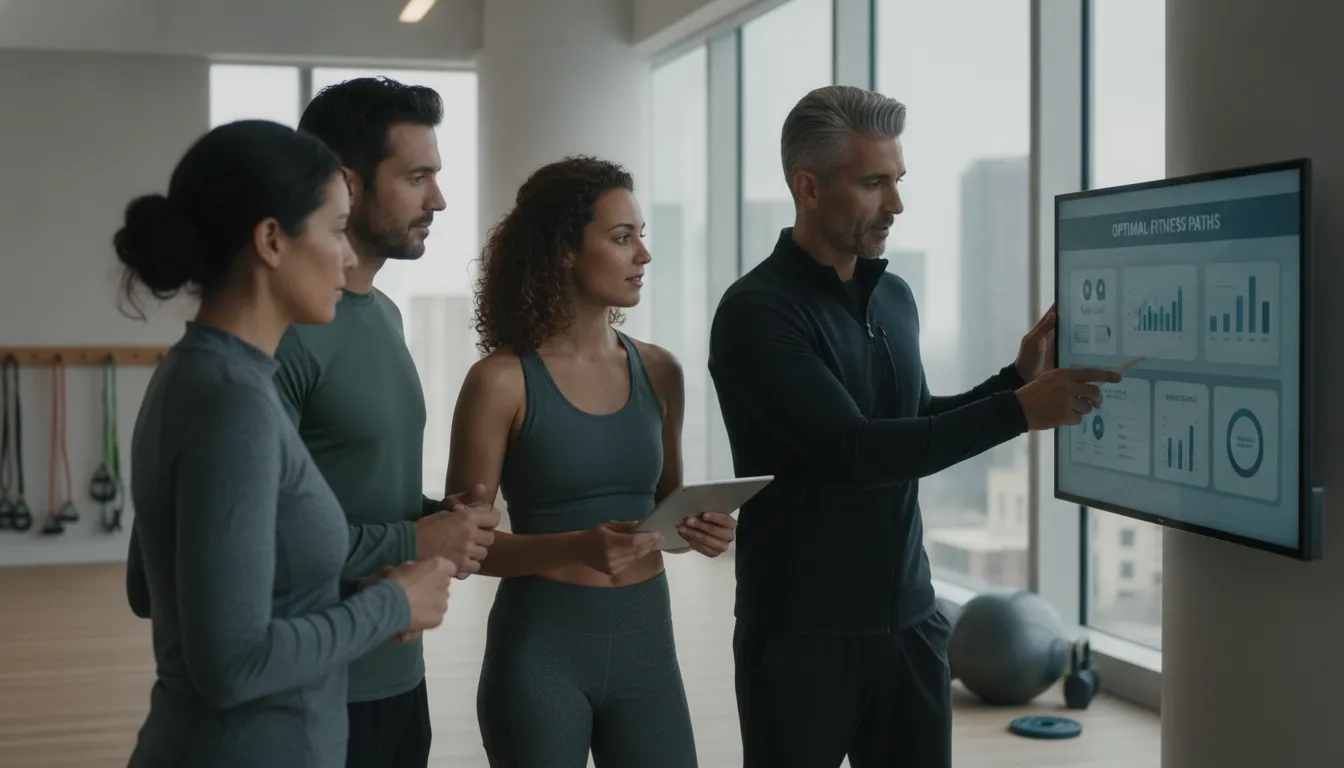
The number on the scale doesn’t show every change. An InBody assessment provides estimates of body composition, including muscle and fat, which can offer another way to track progress. Monroe Township Bootcamp uses InBody assessments to help members follow changes over time and discuss their results with a coach.
Pair those readings with everyday signs of progress: lifting more, finishing a workout with greater stamina, moving more comfortably, or showing up consistently. Body-composition results are one measure, not a complete picture of your health. Looking at them alongside your strength, fitness, and well-being can give you a more useful view of how your routine is supporting your goals.
Which Fitness Coaching Program Should You Choose?
The right fitness coaching program is one that fits your goals, schedule, and preferred level of support. If you enjoy working out with others and feel motivated by a set class time, group bootcamp may suit you. If you want a plan focused closely on your individual needs, consider one-on-one coaching. Online coaching can offer more scheduling flexibility, though the amount of personal feedback varies from program to program.
Before you decide, think about what you want to work toward, whether that’s losing weight, reducing body fat, building strength, or creating a more consistent routine. Ask how coaches adapt workouts for different fitness levels, how progress is reviewed, and what support is available if an exercise doesn’t feel right. Monroe Township Bootcamp offers bootcamp training and other fitness services. Contact the team to learn how its programs and coaching approach might fit your needs.
Compare Group Bootcamp, One-on-One, and Online Options
Group bootcamp gives you a scheduled workout and the energy of exercising alongside other people. A coach leads the session, while the group setting can provide motivation and a sense of community. Group fitness classes and one-on-one training offer different kinds of support, so consider whether you prefer shared momentum or individual attention.
One-on-one coaching can give you more time to ask questions, practice technique, and discuss your goals. Online coaching may work well if you need more flexibility, but ask how often a coach checks in and whether they can give feedback on your form. Monroe Township Bootcamp focuses on bootcamp-style training, so ask the team what individual guidance is available during classes and whether the program suits your experience level.
Consider Coaching Style, Schedule, Class Size, and Support
A program is easier to stick with when its schedule works for your life. Check the class times and ask about typical class size, how coaches give feedback, and whether they demonstrate movements or offer modifications. If you prefer more personal attention, find out how much time coaches can spend helping you during a group workout.
Think about the coaching style, too. You may prefer a fast-paced class, or feel more comfortable with a coach who explains each exercise and helps you build up gradually. Choose a setting where you can ask questions and speak up if something feels uncomfortable. Consistency matters, and the CDC’s guidance on physical activity notes that regular movement can support strength and everyday function. Ask how the program helps members keep up a routine when schedules get busy.
Choose Qualified Coaches Who Adapt Exercises to Your Needs
A coach should ask about your goals, fitness experience, and any injuries or health concerns before suggesting how to train. Look for someone who explains exercises clearly, offers alternatives, and encourages you to share how you feel during and after a workout. Personal trainers can support different goals and experience levels, as Advanced Kinetics explains, but a good coaching relationship also depends on listening and making sensible adjustments.
If you have a health condition, a recent injury, or questions about which activities are appropriate, check with your health care provider before starting a new program. You can then ask coaches how they’ll take that guidance into account. At Monroe Township Bootcamp, ask how InBody assessments can help you review body-composition changes alongside strength, fitness, and how you feel.
What Does Fitness Coaching Cost for Adults Over 30?
The cost of fitness coaching depends on how you train, how often you meet with a coach, and what support your program includes. Compare the full offer, not just the price of one workout.
Compare Memberships, Packages, and Per-Session Rates
Personal training commonly costs about $50 to $120 per hour, while some commercial gyms charge around $40 to $70 per session when you buy a package. These figures are general estimates, and rates vary by location, trainer experience, and session length. Check whether a package has an expiration date and what happens if you need to reschedule.
Group bootcamp memberships often have recurring fees that cover multiple coached workouts. This format may suit you if you want a regular schedule and enjoy training with others. Ask about membership terms, trial options, and enrollment fees before you sign up. Monroe Township Bootcamp lists its training options to help you explore the kinds of programs available.
Weigh Coaching, Workout Structure, and Progress Tracking Against Cost
A lower price does not always include the same level of guidance as a higher-priced program. Find out whether a coach adjusts exercises to your fitness level, checks your form, and helps you follow a structured plan. If work or family responsibilities make it hard to stay consistent, regular coaching and a clear routine may be valuable parts of the cost.
Progress tracking also matters. Ask how the program helps you measure changes in strength, fitness, or body composition, rather than relying only on the scale. Monroe Township Bootcamp offers InBody assessments to track body-composition data. Consider whether that information, alongside coaching and workouts, supports the goals you want to work toward.
Ask What the Price Includes Before You Sign Up
Request a full breakdown of the price before you commit. Ask whether it covers gym access, group classes, one-on-one coaching, progress assessments, or nutrition guidance. Some trainers require you to purchase a minimum number of sessions, and coaching fees may be separate from regular gym dues. Confirm the billing schedule, cancellation terms, and any additional charges.
Ask how coaches adapt workouts for beginners, past injuries, or health conditions, and whether you can reschedule missed sessions. It is also useful to know how often your plan is reviewed and whether you can ask questions between workouts. These details help you compare programs based on the support they provide, not just the introductory price.
What Misconceptions Keep Adults Over 30 From Getting Coaching?
It’s easy to assume you need to be fitter, tougher, or focused on weight loss before you work with a coach. Those ideas can keep you from getting support that could make exercise more approachable. A good coaching program starts with your current abilities and helps you work toward goals that matter to you.
You Don’t Need to Get Fit Before Joining a Program
You don’t have to establish a workout routine on your own before asking for coaching. A coach can learn about your experience, fitness level, and goals, then adapt exercises to give you a manageable place to start. That might mean using lighter weights, taking longer breaks, or trying a modified movement before progressing.
Personal training can support people at different fitness levels, from beginners to experienced athletes, as Advanced Kinetics explains. If you’re considering a group setting, review Monroe Township Bootcamp’s training options and ask which program may suit your needs. You can start where you are and build from there.
You Don’t Need Intense Workouts Every Session
A productive workout doesn’t have to leave you exhausted. Training can include a mix of strength exercises, cardio, rest, and movement modifications. The right level of effort may vary from session to session, depending on your experience, recovery, and how you feel that day.
If you’re returning to exercise after a break, tell your coach. They can help you find a challenging but appropriate pace and adjust exercises as needed. One Medical’s guide to common exercise myths explains that building a routine doesn’t require intense exercise every time. Consistency and a plan you can maintain matter more than pushing yourself to the limit in every class.
Coaching Can Support Goals Beyond Weight Loss
Weight loss may be one reason to seek coaching, but it’s not the only one. You might want to build strength, improve stamina, move more comfortably, or feel more capable during everyday activities. Share your priorities with a coach so your training can reflect what you want to accomplish.
Progress can also mean more than a change on the scale. Monroe Township Bootcamp offers InBody assessments that provide body-composition information to track over time. That can give you another way to observe changes as you train. Coaching supports a range of goals, including muscle gain, athletic performance, and overall fitness, as Advanced Kinetics notes.
Frequently Asked Questions
Do I need to be fit before joining a bootcamp?
No. Tell the coach about your experience and goals so they can suggest suitable exercises and modifications. You can start at a manageable level and build gradually.
How often should I work out with a coach?
It depends on your schedule, goals, and how you recover. Choose a routine you can maintain, then ask your coach how to balance workouts with rest and other activity.
Can fitness coaching help if I have an injury or health condition?
A coach may be able to modify exercises, but they can’t diagnose or treat a medical condition. Check with your healthcare provider about appropriate activity, then share their guidance with your coach.
How can I track progress beyond weight loss?
Notice changes in strength, stamina, comfort during everyday activities, and workout consistency. InBody assessments can also provide body-composition information to review over time.
What should I ask before joining a fitness program?
Ask about class schedules, membership costs, coaching support, exercise modifications, and how progress is reviewed. If you’re considering a group class, find out how coaches help members with different experience levels.